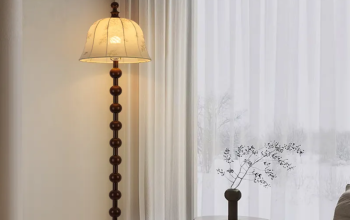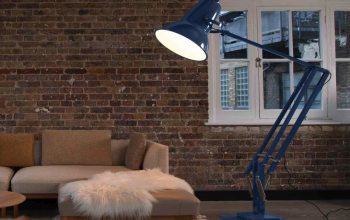
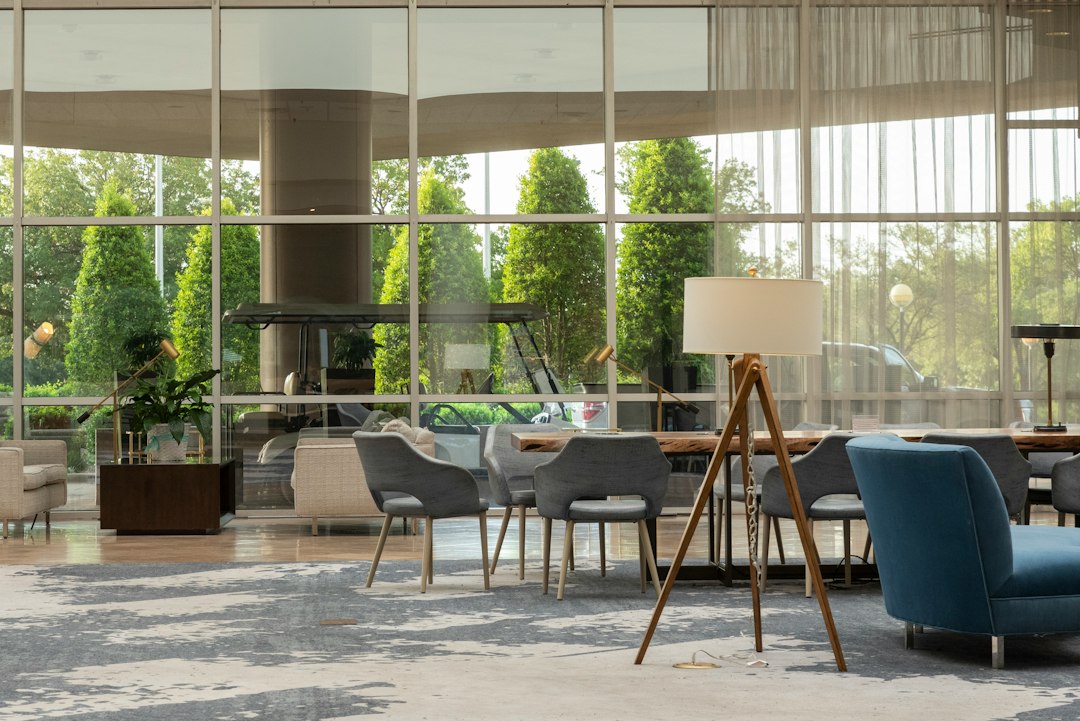
Concrete reading lamps with a minimal profile are an excellent choice for hotel lobbies because they offer a unique blend of sophisticated aesthetics, robust durability, and targeted, ambient illumination. They fit well into modern design schemes, providing a practical and stylish lighting solution without overwhelming the space.
Why Minimal Profile Concrete Lamps Shine in Lobbies
Hotel lobbies are dynamic spaces, serving as welcoming areas, informal meeting points, and even transient workspaces. The lighting needs to be versatile, appealing, and resilient. Minimal profile concrete lamps tick all these boxes, offering a particular set of advantages over other lighting options.
The Appeal of Minimalism in Design
Minimalism isn’t just a trend; it’s a design philosophy that prioritizes functionality and clean lines, reducing elements to their essential forms. For a hotel lobby, this translates to an uncluttered, sophisticated environment that feels both spacious and inviting. A minimal profile concrete lamp embodies this perfectly. It doesn’t scream for attention but rather complements the existing decor, adding a touch of understated elegance. Its form factor allows it to blend seamlessly into various design aesthetics, from industrial chic to contemporary luxury, without becoming a focal point in a disruptive way. This subtle integration is crucial in a lobby, where overall atmosphere takes precedence over individual statement pieces. The uncluttered design also implies easier maintenance and less visual distraction, contributing to a calmer, more refined guest experience.
The Unique Aesthetic of Concrete
Concrete as a material for interior design, especially lighting, has seen a significant surge in popularity. It offers a distinctive aesthetic that is both raw and refined. Its inherent imperfections, like subtle variations in color and texture, give each piece a unique character, preventing a sterile or mass-produced feel. For hotel lobbies, this means injecting an element of organic warmth and authenticity into what can sometimes be an overly polished environment. The cool, industrial look of concrete contrasts beautifully with softer furnishings, rich textiles, or warm wood accents, creating a balanced and visually interesting space. Furthermore, concrete’s earthy tones provide a neutral backdrop that pairs well with virtually any color palette, offering great flexibility for interior designers.
Durability for High-Traffic Areas
Hotel lobbies are high-traffic areas, experiencing constant movement of guests, luggage, and staff. Furniture and fixtures in these spaces need to withstand significant wear and tear. Concrete, by its very nature, is incredibly durable. Unlike delicate glass or easily scratched metal fixtures, a concrete lamp is remarkably resilient to bumps, scrapes, and accidental knocks. This robustness translates to a longer lifespan for the fixture, reducing the need for frequent replacements or repairs, which is a significant cost-saving benefit for hotel operators. Its weight also contributes to stability, making it less likely to be inadvertently knocked over, a critical safety consideration in a busy public space. This inherent strength ensures the lamp maintains its aesthetic integrity over time, even in demanding environments.
Practical Considerations for Lobby Lighting
Beyond aesthetics and durability, there are several practical factors that make minimal profile concrete reading lamps a smart choice for hotel lobbies. These considerations impact both guest experience and operational efficiency.
Targeted Illumination for Comfort
While general ambient lighting is essential in a lobby, specific task lighting can greatly enhance guest comfort. Minimal profile concrete reading lamps are often designed to provide a focused beam of light, ideal for reading a book, reviewing documents, or simply creating a more intimate zone within a larger space. Placing these lamps strategically near seating areas – armchairs, sofas, or even lounge chairs – allows guests to enjoy a well-lit personal space without disrupting the overall lobby ambiance. This targeted illumination prevents harsh overhead lighting from being the only option, offering a softer, more inviting glow that encourages relaxation and productivity. It acknowledges that guests might want to do more than just pass through the lobby; they might want to linger.
Energy Efficiency and LED Integration
Modern lighting solutions prioritize energy efficiency, and concrete lamps are no exception. Many minimal profile concrete reading lamps are designed to integrate LED technology. LEDs consume significantly less energy than traditional incandescent bulbs, translating to lower electricity bills for the hotel. Furthermore, LEDs have a much longer lifespan, reducing maintenance costs associated with frequent bulb replacements. This is particularly advantageous in a hotel environment where hundreds, if not thousands, of light fixtures are in use daily. The focused nature of the light from these lamps also means less energy is wasted illuminating areas where it’s not needed, further contributing to overall efficiency. Choosing lamps with integrated, high-quality LEDs ensures consistent light output and color temperature, enhancing the guest experience.
Ease of Cleaning and Maintenance
In a bustling hotel lobby, maintaining cleanliness and order is paramount. Concrete, with its smooth or subtly textured surface, is relatively easy to clean. A simple wipe-down with a damp cloth is usually sufficient to remove dust and smudges. Unlike intricate fixtures with many nooks and crannies that can trap dirt, the minimalist design of these lamps means fewer areas for dust to accumulate, simplifying cleaning routines for housekeeping staff. The robust nature of the material also means it’s less prone to showing fingerprints or minor scuffs that might be more noticeable on polished metal or glass surfaces. This ease of maintenance contributes to a consistently pristine appearance, reflecting positively on the hotel’s attention to detail.
Scalability and Placement Versatility
Minimal profile concrete lamps offer excellent scalability and placement versatility. Their relatively compact footprint means they can be placed in various locations without dominating the space. They can be arranged individually beside single chairs, grouped around larger seating arrangements, or even integrated into custom-built millwork. This flexibility allows designers to create coherent lighting schemes across different zones of the lobby, catering to various functions – from a quiet reading nook to a more social seating cluster. The consistent design language across multiple units helps unify the overall aesthetic of the lobby, creating a cohesive and inviting environment. Whether it’s a small boutique hotel or a grand chain, these lamps can be effectively incorporated.
Design Integration and Aesthetic Impact
The success of any lighting fixture in a hotel lobby hinges on its ability to integrate seamlessly into the overall design scheme and contribute positively to the aesthetic impact. Minimal profile concrete reading lamps excel in this regard.
Complementing Various Interior Styles
One of the greatest strengths of minimal profile concrete lamps is their adaptability to a wide range of interior design styles.
Industrial Chic and Urban Modern
For lobbies embracing an industrial chic or urban modern aesthetic, concrete lamps are a natural fit. Their raw, exposed material aligns perfectly with elements like exposed brick, metal accents, and reclaimed wood. The lamps can reinforce the rugged yet refined feel of these styles, adding to the authenticity and character of the space. They act as a subtle nod to architectural elements, creating a cohesive and well-thought-out design narrative. The cool grey tones of concrete provide a grounding element against warmer industrial materials.
Contemporary and Scandinavian Minimalist
In contemporary and Scandinavian minimalist lobbies, these lamps contribute to the clean lines and uncluttered spaces. Their simple forms and neutral colors blend effortlessly with pared-down furniture, natural materials, and a focus on functionality. They provide a touch of visual interest without disrupting the serene and understated atmosphere that defines these styles. The texture of concrete can offer a subtle counterpoint to smooth surfaces, adding depth without visual noise.
Eclectic and Transitional Spaces
Even in more eclectic or transitional lobbies, a minimal concrete lamp can serve as a grounding element. Its simple form allows it to coexist with a mix of styles, patterns, and textures without clashing. It can provide a modern anchor in a space that blends traditional and contemporary elements, offering a sense of balance and sophistication. Its neutrality makes it a versatile “bridge” between different design components.
Creating Ambiance and Mood
Lighting is a powerful tool for shaping the ambiance and mood of a space. Minimal profile concrete reading lamps contribute significantly to this.
Warm and Inviting Zones
By providing focused, often downward-facing light, these lamps create intimate and inviting zones within the larger lobby space. This localized illumination casts a soft glow, making seating areas feel more personal and welcoming, encouraging guests to relax and settle in. This contrasts with the sometimes sterile feel of overall bright general lighting, providing pockets of warmth and comfort. The ability to dim these lamps can further enhance the mood.
Subtle Visual Interest
While minimalist in design, the material itself offers subtle visual interest. The inherent textures and variations in concrete, as well as the play of light and shadow on its surface, prevent the lamps from being bland. They add an organic, tactile quality to the space, contributing to a rich sensory experience for guests without being overtly decorative. This understated charm is key to their appeal.
Consistency in Branding
For hotels, maintaining a consistent brand image is crucial. Minimal profile concrete lamps can play a role in this, particularly for brands that emphasize modern design, sustainability, or understated luxury. By selecting these lamps, a hotel can subtly communicate its commitment to quality, thoughtful design, and durable materials, reinforcing its brand values through its interior choices. This attention to detail resonates with discerning guests.
Sourcing and Specification Guidelines
When considering minimal profile concrete reading lamps for a hotel lobby, it’s important to approach sourcing and specification with a practical mindset. This ensures the chosen products meet both aesthetic and functional requirements.
Reputable Manufacturers and Suppliers
Choosing the right manufacturer is crucial for quality and longevity. Look for companies with a proven track record in producing high-quality lighting fixtures, especially those specializing in unique materials like concrete.
Quality Control and Craftsmanship
Investigate the manufacturer’s quality control processes. Concrete casting requires precision to ensure consistent finishes and structural integrity. Examine product reviews, request samples, and inquire about their manufacturing techniques. High-quality craftsmanship will be evident in the smooth edges, even texture, and durable finish of the lamps. Poorly made concrete can chip or crumble over time.
Warranty and Support
A good warranty indicates a manufacturer’s confidence in their product. Understand the terms of the warranty, covering defects in materials and workmanship. Also, assess their customer support – quick responses to queries and readily available technical assistance are vital, especially for large-scale hotel projects.
Key Specifications to Consider
Beyond the general aesthetic, several technical specifications need careful consideration to ensure the lamps perform as expected in a demanding hotel environment.
Light Output and Color Temperature (CCT)
For reading lamps, a comfortable light output is key. Generally, around 300-500 lumens is appropriate for focused task lighting. The Color Correlated Temperature (CCT) is also vital for setting the right mood. For warm and inviting lobby areas, a CCT between 2700K and 3000K (warm white) is typically preferred, as it promotes relaxation. Avoid harsh, cool white lights (above 4000K) for these spaces.
Dimmability and Controls
The ability to dim the lamps provides flexibility in adjusting the ambiance throughout the day or for different events. Ensure the lamps are compatible with the hotel’s existing or planned dimmer systems. Integrated dimmers or remote control options can also enhance user convenience for guests. Individual controls allow guests to personalize their experience.
Power Source and Installation
Clarify whether the lamps are plug-in (requiring accessible outlets) or hardwired (requiring professional electrical installation). For new builds or major renovations, hardwiring might offer a cleaner look. For existing lobbies, plug-in options might be more feasible. Ensure compliance with all local electrical codes and safety standards.
IP Rating (If Applicable)
While typically for outdoor use, if the lobby has an area that is exposed to moisture or humidity (e.g., near an entrance or water feature), consider the Ingress Protection (IP) rating. A higher IP rating indicates better protection against dust and moisture, ensuring the lamp’s longevity in such environments.
Budgeting and Long-Term Value
While the initial cost of concrete lamps might be slightly higher than some mass-produced alternatives, it’s crucial to consider the long-term value.
Upfront Investment vs. Durability
Factor in the durability of concrete, which reduces replacement costs and maintenance over time. A higher upfront investment in a robust, high-quality fixture often pays off in the long run through reduced operational expenses and a consistently premium appearance. This is a classic example of quality over quantity.
Energy Cost Savings
The integration of energy-efficient LED technology will lead to significant savings on electricity bills over the lamp’s lifespan. Calculate the potential energy savings to demonstrate the return on investment. This contributes directly to the hotel’s bottom line.
Brand Perception and Guest Satisfaction
Quality lighting contributes positively to guest perception and overall satisfaction. A well-lit, aesthetically pleasing lobby enhances the guest experience, which can lead to repeat bookings and positive reviews – an invaluable long-term benefit for any hotel.
Future Trends and Sustainability
As design and operational practices evolve, it’s worth considering how minimal profile concrete reading lamps align with future trends, particularly concerning sustainability and technological advancements.
Sustainable Material Choices
Concrete itself has a complex sustainability profile, but advancements are making it more eco-friendly.
Recycled and Low-Carbon Concrete
Manufacturers are increasingly exploring options like recycled aggregates (e.g., recycled glass, demolished concrete) in their mixes. There’s also a growing focus on low-carbon concrete, which uses alternative binders to reduce the carbon footprint associated with cement production. Specifying lamps made with these materials can enhance a hotel’s commitment to sustainability. This aligns with a growing consumer demand for eco-conscious choices.
Longevity as Sustainability
The inherent durability of concrete contributes to its sustainability. A product that lasts for decades reduces the need for frequent replacement, thereby minimizing waste and the consumption of new resources for manufacturing. This ‘buy once, use well’ philosophy is a core tenet of sustainable design. The longer a product serves its purpose, the smaller its environmental impact over its lifecycle.
Smart Lighting Integration
The future of lighting in commercial spaces is increasingly smart and interconnected.
Automated Controls and Sensors
Minimal profile concrete lamps can be integrated into a hotel’s smart lighting system. This allows for automated control based on occupancy sensors, daylight harvesting, or pre-programmed schedules. For example, lamps could dim automatically when an area is vacant or when natural light is abundant, further optimizing energy consumption.
Personalized Guest Experience
In more advanced systems, guests might even be able to control the lighting in their immediate vicinity (e.g., through a hotel app), adjusting brightness or even CCT to their preference. This level of personalization elevates the guest experience and contributes to a feeling of bespoke luxury. Imagine a guest adjusting their reading light directly from their phone.
Evolving Design Aesthetics
While the minimalist aesthetic is enduring, concrete lighting designs continue to evolve.
Textural Exploration
Expect to see further exploration of concrete’s surface textures – from ultra-smooth, polished finishes to more aggressively textured or patinated looks. These variations can add even more depth and character to the lamps, allowing for greater customization to specific interior themes. The inherent beauty of concrete’s natural variation will be celebrated.
Blending Materials
Designers are increasingly combining concrete with other materials like wood, brass, or even fabric elements. A minimal concrete base paired with a subtle metallic accent or a soft textile shade could offer a new dimension while retaining the core benefits of concrete’s stability and aesthetic appeal. This fusion allows for greater design flexibility.
In conclusion, minimal profile concrete reading lamps are more than just a passing trend for hotel lobbies. They represent a robust, aesthetically pleasing, and highly functional lighting solution that addresses many of the practical and design challenges of these high-traffic public spaces. By focusing on their durability, unique aesthetic, energy efficiency, and adaptability, hotel operators and designers can make an informed choice that enhances both guest experience and operational efficiency for years to come.