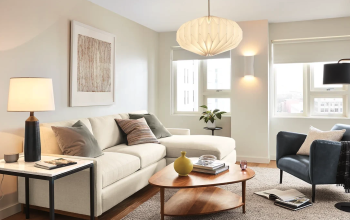
So, you’ve got a north-facing living room, and it’s… well, a bit on the dim side. The good news is, you absolutely don’t have to live with a perpetually gloomy space. The key is understanding that north-facing rooms get consistent, diffused light, rather than direct, bright sunlight. This means less glare but also less intensity. Instead of fighting it, we can work with it to create a cozy, inviting, and surprisingly bright atmosphere.
Before we dive into solutions, let’s briefly touch on why north-facing light is different. It’s often described as cooler and more constant. You won’t get those dramatic shifts in sunlight throughout the day, and you won’t experience direct sunbeams streaming in. While this can make a room feel darker, it also means the light is very stable, which is excellent for things like art displays and avoiding glare on screens.
The Color Temperature Challenge
The “coolness” of north-facing light is a big factor. It tends to bring out blue and green undertones in paints and fabrics. This isn’t inherently bad, but it’s something to be aware of when making design choices. We’re essentially trying to counteract that coolness with warmth and brightness.
A Consistent Canvas
Think of your north-facing room as a consistent canvas. You don’t have to battle blinding afternoon sun or constantly adjust blinds. This predictability allows for more deliberate design choices without having to account for drastically changing light conditions. It’s a quieter, more even light source.
Smart Paint Choices: Your First Line of Defense
Paint color is arguably the most impactful change you can make to brighten a north-facing room. This isn’t just about picking “light” colors; it’s about picking the right light colors.
Warm Neutrals are Your Friends
Forget stark whites. In a north-facing room, pure white can often look cold and sterile, even a bit gray. Instead, lean into warm neutrals. Think soft creams, very pale yellows, off-whites with creamy or slightly peachy undertones, or even very light greiges that lean warm. These colors will reflect the available light more effectively and add a much-needed touch of warmth.
- Creamy Whites: Look for whites with a touch of yellow or beige. They feel much more inviting than a brilliant white.
- Pale Yellows: A very, very light yellow can instantly warm up a space without making it look like a sunflower.
- Greiges with Warm Undertones: If you like gray, ensure it has a noticeable beige or taupe undertone to prevent it from appearing too cold.
Consider a “Pop” of Warm Color
While sticking to mostly warm neutrals on the walls is a solid strategy, don’t be afraid to introduce a slightly bolder warm color on an accent wall or through decor. A terracotta, a soft rust, or even a muted coral can absorb some of that cooler light and make the room feel more vibrant. This isn’t about overpowering the space but providing a gentle contrast.
Reflective Finishes
The finish of your paint also matters. Opt for an eggshell, satin, or even a soft sheen finish rather than a matte one. These finishes have a slight reflective quality that will bounce light around the room, making it appear brighter and more expansive. Matte paints, while stylish, tend to absorb light, which is the opposite of what we want here.
Maximize Natural Light: Every Ray Counts
Even though north-facing light is diffused, we want to make the most of every single ray that enters your room. This means addressing windows and anything that might block light.
Window Treatments: Less is More (Often)
Your window treatments should be functional but also minimalist. Heavy, dark drapes will only exacerbate the dimness.
- Light-Filtering Options: Think sheer curtains, light linen drapes, or cellular blinds that allow light to filter through while still offering privacy.
- Pull Back Drapes Fully: When using drapes, make sure they can be pulled back completely, clearing the window frame entirely. Decorative rods that extend beyond the window frame can help achieve this.
- Consider Top-Down/Bottom-Up Blinds: These offer excellent flexibility, allowing you to let light in from the top while maintaining privacy at the bottom.
Keep Windows Clear
It sounds obvious, but regularly clean your windows! A film of dirt can significantly reduce the amount of light coming in. Also, avoid placing tall, light-blocking furniture directly in front of windows. If you have outdoor foliage like bushes or trees directly outside your north-facing window, consider trimming them back if possible and appropriate, to allow more light to penetrate.
Reflective Surfaces Near Windows
Strategically place mirrors or other reflective surfaces opposite or adjacent to windows. This will help bounce the available light deeper into the room, creating an illusion of more light and space. A large mirror on the wall perpendicular to a window can be particularly effective.
Strategic Lighting: Layer It Up
Natural light is great, but in a north-facing room, you’ll definitely need to supplement it with smart artificial lighting. The goal isn’t just to make the room “bright,” but to create a well-lit, inviting atmosphere.
The Power of Layered Lighting
Don’t rely on a single overhead light fixture. That’s a recipe for flat, uninspiring illumination. Instead, think about layering different types of light:
- Ambient Lighting: This is your general, overall illumination. Recessed lighting, a flush-mount fixture, or a stylish chandelier can provide this. On a dimmer switch, please!
- Task Lighting: For specific activities like reading, working, or hobbies. Think floor lamps next to a sofa, table lamps on side tables, or even an adjustable desk lamp.
- Accent Lighting: This is where you highlight features, artwork, or architectural details. Picture lights, wall sconces, or even strategically placed LED strips can add depth and interest.
Choose the Right Bulbs
The type of light bulb (its color temperature) is crucial. Avoid cool white or daylight bulbs, as they will only enhance the cool feel of the room.
- Warm White (2700K-3000K): This is your sweet spot. It mimics the warmth of incandescent bulbs and will make your room feel cozier and more inviting.
- LEDs are Your Friend: Modern LED bulbs are energy-efficient and come in a wide range of color temperatures. Look for ones specifically labeled “warm white.”
Dimmer Switches for Versatility
Every single light fixture in a north-facing room should ideally be on a dimmer switch. This allows you to adjust the intensity of the light throughout the day and evening, creating different moods and adapting to various activities. You can crank them up when you need maximum brightness and dim them down for a more relaxed ambiance.
Uplighting and Wall Washing
Consider lighting techniques that emphasize vertical surfaces. Uplighting from floor lamps directed at walls or corners can make the ceiling appear higher and the room feel more open. Wall washing (light fixtures that evenly illuminate a wall from top to bottom) can also make a room feel brighter by emphasizing the surfaces.
Furniture & Decor: Reflect and Lighten
Your furniture and decor choices play a significant role in how light is perceived and distributed in your north-facing living room.
Opt for Lighter-Colored Furniture
Just like paint, lighter-colored furniture will prevent the room from feeling heavy and dark. This doesn’t mean everything has to be white! Think about:
- Light Wood Tones: Birch, maple, natural oak, or even painted white furniture will reflect more light than dark stained woods.
- Upholstery in Pale Hues: Sofas and chairs in off-white, light gray, pale beige, or even very light pastels will keep the room airy. If you love bolder colors, use them for accent pieces like throw pillows or a single armchair, rather than your main sofa.
Incorporate Reflective Surfaces
Beyond mirrors, look for other opportunities to introduce reflective materials:
- Glass and Acrylic: Coffee tables, side tables, or even decorative objects made of glass or clear acrylic will allow light to pass through and bounce around the room.
- Metallic Accents: Gold, silver, brass, or copper finishes on lamp bases, picture frames, or decorative bowls can catch and reflect light, adding sparkle and brightness.
- High-Gloss Finishes: A high-gloss lacquer on a piece of furniture, or even a glossy tile on a fireplace, can be a subtle way to enhance light reflection.
Less Clutter, More Openness
A cluttered room, regardless of its orientation, will always feel heavier and darker. In a north-facing room, this effect is amplified.
- Streamline Your Decor: Keep decorative items to a minimum and choose pieces that are lighter in visual weight.
- Open Shelving: Instead of bulky closed cabinets, consider open shelving or glass-front cabinets to display items, which keeps the visual space lighter.
- Leggy Furniture: Furniture with exposed legs, rather than pieces that sit flush to the floor, creates an illusion of more space and allows light to flow underneath.
The Power of Greenery (Thoughtfully Placed)
While plants are wonderful, be mindful of their placement. A large, dense plant directly in front of your only window might block too much precious light. Instead, consider:
- Smaller, Lighter Foliage: Choose plants with lighter green leaves or variegated varieties.
- Strategically Placed: Place plants where they won’t obstruct light, perhaps on a shelf or in a corner that needs a touch of life.
- Reflective Pots: Use pots with metallic or glazed finishes to add another layer of light reflection.
Textures and Fabrics: Adding Depth and Warmth
While we’ve talked a lot about colors and reflective surfaces, the textures and fabrics you choose can also significantly impact the feel and brightness of your north-facing room.
Embrace Varied Textures
Using a variety of textures can add visual interest and warmth without adding dark colors. Think about:
- Soft, Luxurious Fabrics: Velvets, faux furs, and thick knits for throw blankets and pillows can create a cozy, inviting feel that counteracts the cool light.
- Natural Materials: Woven rugs (like jute or sisal), linen curtains, and cotton upholstery bring an organic warmth and tactile quality to the space.
- Sheen and Luster: Fabrics with a slight sheen, like silk or satin, can subtly reflect light and add a touch of elegance.
Area Rugs for Grounding and Brightness
A well-chosen area rug can ground your furniture grouping and also contribute to brightening the room.
- Light Colors and Patterns: Opt for rugs in light, warm colors or with subtle, light patterns.
- Soft and Plush Textures: A plush rug can add a sense of luxury and warmth underfoot, making the room feel more inviting.
- Extend Beyond Furniture: A larger rug that extends under the front legs of your main furniture pieces will make the room feel larger and more cohesive.
Pillows and Throws: Your Accent Stars
These are fantastic for injecting warmth and personality without a huge commitment.
- Warm Color Palette: Use throw pillows and blankets in warm tones like mustard yellow, burnt orange, terracotta, or even a soft blush.
- Mixed Textures: Combine different textures – a chunky knit throw with smooth velvet pillows, for example – to add depth.
- Subtle Patterns: Geometric patterns or gentle prints in lighter colors can add interest without overwhelming the space.
Avoid Heavy, Dark Fabrics
Just like heavy drapes, avoid using heavy, dark fabrics for large upholstery pieces or significant decorative elements. They will absorb light and contribute to the dimness. If you love a deep color, use it sparingly as a small accent.
By combining these strategies – from smart paint choices and maximizing natural light to strategic artificial lighting, thoughtful furniture placement, and warm textures – you can absolutely transform your north-facing living room from dim and dreary to bright, inviting, and wonderfully cozy. It’s all about making deliberate choices that work with the unique qualities of the light you have, rather than against it.