In recent years, LED floor lamps have emerged as a popular choice for both functional and aesthetic lighting in homes and offices. These versatile lighting fixtures not only provide illumination but also serve as stylish decor elements that can enhance the overall ambiance of a space. The evolution of lighting technology has led to the widespread adoption of LED (Light Emitting Diode) bulbs, which are known for their energy efficiency, longevity, and low heat emission.
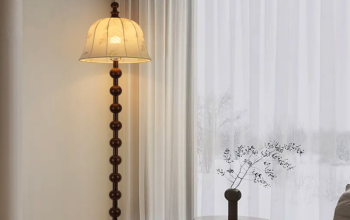
Unlike traditional incandescent bulbs, which consume more energy and have shorter lifespans, LED bulbs can last up to 25,000 hours or more, making them a cost-effective and environmentally friendly option. The design of LED floor lamps has also evolved significantly, with a plethora of styles, colors, and functionalities available to suit various tastes and needs. From sleek, modern designs that fit seamlessly into contemporary interiors to more traditional styles that evoke a sense of nostalgia, there is an LED floor lamp for every aesthetic preference.
Additionally, many LED floor lamps come equipped with adjustable brightness settings and color temperature options, allowing users to customize their lighting experience according to the time of day or specific activities. This adaptability makes LED floor lamps an essential addition to any room, whether it be a cozy reading nook, a vibrant living area, or a professional workspace.
Benefits of Using LED Floor Lamps
One of the most significant advantages of LED floor lamps is their energy efficiency. Compared to traditional incandescent or halogen bulbs, LED bulbs consume significantly less electricity while providing the same amount of light output. This efficiency translates into lower energy bills and a reduced carbon footprint, making LED floor lamps an eco-friendly choice for conscientious consumers.
Furthermore, many utility companies offer rebates or incentives for switching to energy-efficient lighting solutions, which can further offset the initial investment in LED technology. Another notable benefit is the longevity of LED bulbs. With an average lifespan of 25,000 hours or more, LED bulbs outlast their incandescent counterparts by a factor of 25 or more.
This durability means less frequent replacements, which not only saves money in the long run but also reduces waste. Additionally, LED bulbs emit very little heat compared to traditional bulbs, making them safer to use in various settings. This characteristic is particularly advantageous in homes with children or pets, as it minimizes the risk of burns or fire hazards associated with hot light sources.
Choosing the Right LED Floor Lamp for Your Space
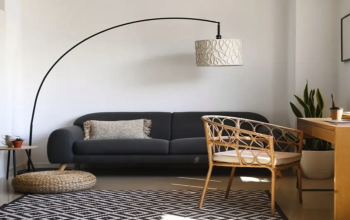
Selecting the ideal LED floor lamp for your space involves considering several factors, including the size of the room, the intended use of the lamp, and the overall design aesthetic. For larger rooms with high ceilings, a tall floor lamp with a wide base may be necessary to provide adequate illumination and balance the proportions of the space. Conversely, in smaller rooms or cozy corners, a compact lamp with a slender profile can create a sense of intimacy without overwhelming the area.
The intended use of the lamp is another critical consideration. If the primary purpose is to provide ambient lighting for relaxation or socializing, a lamp with a soft glow and adjustable brightness may be ideal. On the other hand, if the lamp will be used for reading or other tasks requiring focused light, look for options with adjustable heads or shades that direct light where it is needed most.
Additionally, consider the color temperature of the bulb; warmer tones (around 2700K) create a cozy atmosphere, while cooler tones (above 4000K) are better suited for task-oriented spaces.
Tips for Placing and Positioning LED Floor Lamps
The placement and positioning of LED floor lamps can significantly impact both functionality and aesthetics within a room. When determining where to position your lamp, consider the existing light sources in the space. Ideally, you want to create layers of light by combining ambient, task, and accent lighting.
For instance, placing an LED floor lamp next to a reading chair can provide focused light for reading while complementing overhead lighting. Another important aspect to consider is the height of the lamp in relation to surrounding furniture. A general rule of thumb is to position the light source at eye level when seated to minimize glare and maximize comfort.
If your lamp has an adjustable arm or shade, experiment with different angles to find the most flattering light direction. Additionally, consider using multiple lamps in larger spaces to create visual interest and ensure even illumination throughout the room.
Using LED Floor Lamps for Task Lighting
LED floor lamps are particularly effective for task lighting due to their ability to provide focused illumination where it is needed most. When selecting a lamp for this purpose, look for features such as adjustable brightness levels and flexible necks that allow you to direct light precisely onto your work surface. For example, if you are using the lamp for reading or crafting, a model with a pivoting head can help you avoid shadows and ensure that your workspace is well-lit.
In addition to reading and crafting, LED floor lamps can also enhance productivity in home offices or study areas. A well-placed lamp can reduce eye strain during long hours spent working on computers or engaging in detailed tasks. Opting for lamps with color temperature options can further enhance focus; cooler light temperatures are known to promote alertness and concentration, making them ideal for work environments.
Enhancing Ambiance with LED Floor Lamps
Beyond their practical applications, LED floor lamps play a crucial role in enhancing the ambiance of any space. The ability to adjust brightness levels allows users to create different moods depending on the time of day or occasion. For instance, dimming the lights during an evening gathering can foster a warm and inviting atmosphere, while brighter settings may be more suitable for daytime activities or social events.
Moreover, many modern LED floor lamps come equipped with smart technology that enables users to control lighting remotely via smartphone apps or voice commands. This feature allows for seamless integration into smart home systems and provides added convenience when adjusting lighting without having to physically reach for the switch. By incorporating color-changing capabilities into your LED floor lamp setup, you can further customize your environment; soft blues and greens can promote relaxation while vibrant reds and oranges can energize a space.
Maintenance and Care for LED Floor Lamps
Maintaining LED floor lamps is relatively straightforward compared to traditional lighting options. One of the primary advantages of LEDs is their durability; they are less prone to breakage due to their solid-state construction. However, regular cleaning is essential to ensure optimal performance and longevity.
Dust and dirt can accumulate on lampshades and surfaces over time, diminishing light output and affecting aesthetics. To clean your LED floor lamp effectively, use a soft cloth or microfiber duster to gently wipe down surfaces. For lamps with fabric shades, consider using a vacuum cleaner with an upholstery attachment to remove dust without damaging the material.
Additionally, check connections and cords periodically for any signs of wear or damage; ensuring that all components are in good condition will help maintain safety and functionality.
Creative Ways to Incorporate LED Floor Lamps into Your Decor
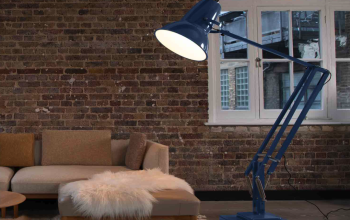
Incorporating LED floor lamps into your decor can be both functional and artistic. One creative approach is to use them as statement pieces that draw attention within a room. For example, selecting an oversized lamp with an eye-catching design can serve as a focal point in an otherwise minimalist space.
Alternatively, grouping smaller lamps together in a corner can create an inviting reading nook that encourages relaxation. Another innovative way to integrate LED floor lamps into your decor is by using them as accent lighting in unexpected places. For instance, placing a slim lamp behind a sofa can create depth and dimension while illuminating artwork or decorative elements on nearby shelves.
Additionally, consider using colored LED bulbs in your floor lamps; this allows you to change the mood of a room instantly by simply switching out the bulb color according to your preferences or seasonal decor themes. By thoughtfully selecting and positioning LED floor lamps within your home or office space, you can enhance both functionality and aesthetics while enjoying the numerous benefits that this modern lighting solution has to offer.