When you’re thinking about lighting your home, especially with a minimalist aesthetic, you’ve probably encountered the term “downlight.” But what if I told you there’s a specific type that can really elevate your minimalist space by tackling one of the biggest lighting annoyances: glare? We’re talking about anti-glare metal downlights. These aren’t just fancy-sounding fixtures; they’re designed to deliver clean, focused light without the harshness that can ruin the mood and comfort of a room. Let’s dive into what makes them so good for minimalist interiors and how you can use them effectively.
Minimalist interiors are all about intention and simplicity. Every element in the space serves a purpose, and there’s a deliberate absence of clutter and excessive decoration. When it comes to lighting Lookinhome, this translates to fixtures that are often understated, functional, and contribute to the overall clean lines and calm atmosphere.
Function Over Form (But Still Stylish)
In minimalist design, the form of a light fixture often follows its function. This means you won’t find ornate chandeliers or bulky lamps dominating the space. Instead, the focus is on how the light itself interacts with the room. Downlights fit this perfectly because they are generally recessed, meaning they are integrated into the ceiling and take up very little visual real estate.
Creating Ambiance with Light
While minimalism is about less stuff, it’s definitely not about less ambiance. In fact, good lighting is crucial for creating the desired mood. Minimalist lighting aims to provide illumination that is both practical for everyday tasks and contributes to a sense of serenity and sophistication. Anti-glare downlights are particularly good at this because they prevent visual discomfort, allowing you to truly appreciate the space.
The Importance of Light Quality
The quality of light is paramount in minimalist design. Harsh, uneven, or glaring light can disrupt the clean aesthetic and make a space feel less inviting. Minimalist lighting prioritizes soft, consistent illumination that highlights the architecture and features of the room without competing with them.
Understanding Anti-Glare Technology
So, what exactly is “anti-glare” when we’re talking about downlights? It’s not just a marketing buzzword; it involves specific design features and materials that reduce the intensity and directness of the light source, preventing it from causing visual discomfort or creating unwanted reflections.
The Science Behind Reduced Glare
Glare occurs when there’s a high contrast between the light source and its surroundings, or when light is directed straight into your eyes. Anti-glare designs typically employ one or a combination of strategies:
- Deep-Set Reflectors: The light source is recessed deeply within the fixture. This pushes the bulb further back, making it harder to see the direct bulb from most viewing angles.
- Frosted Lenses or Diffusers: These are placed in front of the light source. They spread the light out, softening its intensity and making it appear less harsh.
- Honeycomb Louvers or Baffles: These are intricate patterns of dark, non-reflective surfaces within the fixture. They act like tiny shields, blocking direct light from escaping at certain angles while still allowing light to pass through.
- Matte Finishes: The internal surfaces of the downlight, especially the reflector, are often finished in a matte black or dark color. This absorbs stray light instead of reflecting it back into the room, further minimizing glare.
The Impact on Visual Comfort
The primary benefit of reduced glare is increased visual comfort. Think about looking directly at a bare bulb versus looking at a lamp with a shade. The lamp is much easier on the eyes. Anti-glare downlights achieve a similar effect in recessed fixtures. This means less eye strain, fewer headaches, and a more relaxed environment, which are all key elements of a well-executed minimalist space.
Durability and Material Choice
The “metal” part of “anti-glare metal downlight” is also significant, especially in minimalist design. Metal fixtures often have a sleek, modern look that complements the clean lines of minimalist interiors.
- Aluminum: A popular choice due to its lightweight nature, excellent heat dissipation, and corrosion resistance. It can be easily finished in various colors, including matte black, brushed nickel, or white, which are common in minimalist palettes.
- Steel: Offers a more robust feel and can achieve a very clean, contemporary look. Stainless steel, in particular, is durable and resistant to tarnishing.
- Powder Coating: Many metal downlights feature powder coating. This is a durable, high-quality finish that provides a uniform and robust surface, often in matte textures that further help with glare reduction.
The choice of metal and finish directly influences the fixture’s longevity, its aesthetic appeal, and its practical performance in managing light and heat.
Why Metal Downlights Shine in Minimalist Interiors
Metal downlights, particularly those with anti-glare features, are a natural fit for minimalist interiors. Their understated design, coupled with their functional benefits, makes them a go-to choice for designers and homeowners aiming for a clean, contemporary look.
Seamless Integration
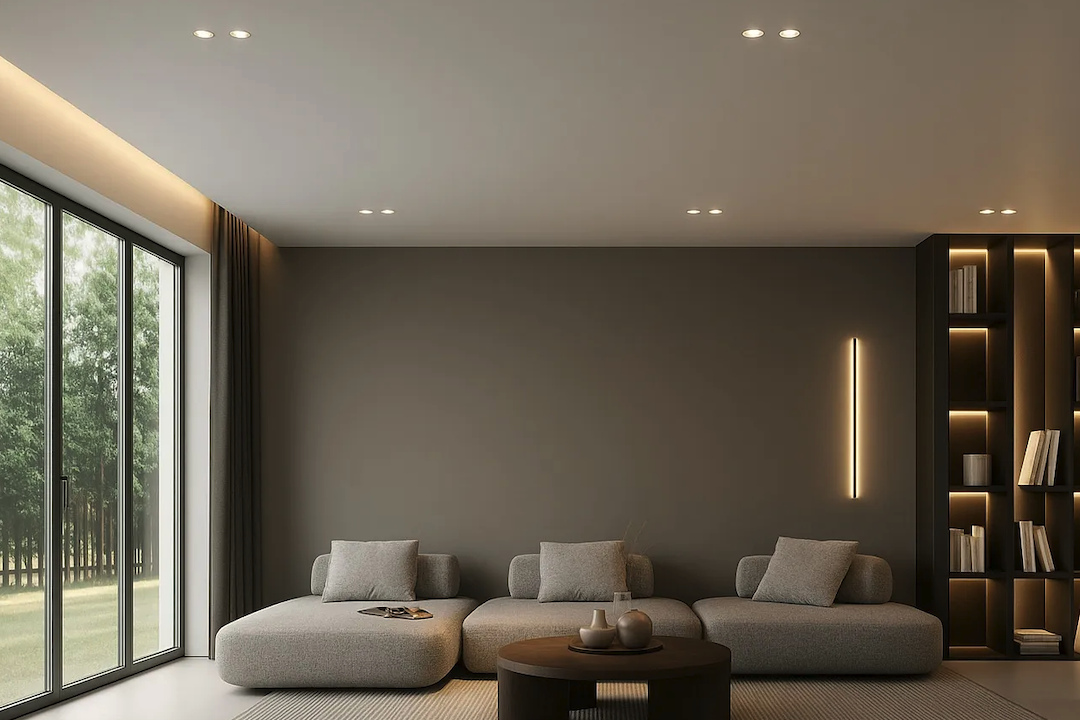
One of the biggest advantages of downlights in a minimalist setting is their ability to integrate seamlessly into the ceiling. When installed correctly, they appear as subtle openings that emit light, rather than bulky fixtures that draw attention. Metal finishes, especially matte white or black, can almost disappear into the ceiling, reinforcing the idea of a clean, uncluttered space.
The Sleek Aesthetic of Metal
Metal offers a refined and modern aesthetic that perfectly aligns with minimalist principles. Whether it’s a brushed nickel for a touch of subtle elegance, a matte black for a dramatic statement, or a clean white to blend in, the material itself speaks to durability, quality, and a contemporary sensibility.
Focused Illumination
While they are discreet, downlights are excellent at providing focused, directional light. This is crucial in minimalist design, where you might want to highlight specific architectural features, artwork, or functional areas without overwhelming the entire room with light.
Versatility in Application
Because of their unobtrusive nature, metal downlights can be used in virtually any room of a minimalist home, from living areas and kitchens to bedrooms and hallways. Their versatility allows for a consistent lighting scheme throughout the house.
Practical Considerations for Installation and Use
Getting the most out of your anti-glare metal downlights involves more than just picking a fixture. How you install and use them makes a significant difference in their effectiveness and how they contribute to your minimalist interior.
Placement is Key
The strategic placement of downlights is fundamental to achieving both effective illumination and the desired minimalist aesthetic. Consider the purpose of each light:
- Task Lighting: For kitchens, place downlights over countertops to provide bright, shadow-free light for food preparation. In a home office, position them over your desk.
- Accent Lighting: Use downlights to highlight artwork, plants, or textured walls. Aim them at specific features to create visual interest and depth.
- General Illumination: In larger rooms, a grid of evenly spaced downlights can provide ambient light. However, be mindful of creating a “shopping mall” effect; consider varying the spacing or using them in conjunction with other light sources.
- Walkway Illumination: Place downlights along hallways or pathways to ensure safe and clear navigation.
Beam Angle and Light Distribution
Downlights come with different beam angles, which dictate how wide or narrow the cone of light is.
- Narrow Beam (e.g., 10-25 degrees): Ideal for accent lighting, spotlighting artwork, or creating dramatic effects. These beams are very focused.
- Medium Beam (e.g., 25-45 degrees): A good all-rounder for general illumination and task lighting in smaller areas.
- Wide Beam (e.g., 60+ degrees): Provides broader illumination, suitable for large spaces where you need more general coverage.
In minimalist interiors, you often want controlled light. A mix of beam angles can be effective: wider beams for general wash and narrower beams for highlighting specific elements.
Dimming Capabilities for Ambiance Control
Minimizing light sources doesn’t mean sacrificing the ability to control the mood. Anti-glare metal downlights are often compatible with dimmers, which is a crucial feature for minimalist design.
- Mood Setting: Dimming allows you to transition from bright, functional light for cooking or working to a softer, more relaxed glow for evenings or entertaining.
- Energy Efficiency: Dimming also reduces energy consumption, which aligns with a mindful, sustainable approach often associated with minimalism.
- Layered Lighting: Even with downlights, you might still have other light sources. Dimming the downlights allows you to layer them with floor lamps or table lamps to create nuanced lighting scenarios.
Color Temperature Matters
The color temperature of the light (measured in Kelvin, K) significantly impacts the feel of a room.
- Warm White (2700K – 3000K): This produces a cozy, inviting light, similar to incandescent bulbs. It’s excellent for living rooms, bedrooms, and any space where you want a relaxed atmosphere. This is often the preferred choice for creating a serene minimalist environment.
- Cool White (3500K – 4500K): This provides a brighter, more neutral light. It’s good for kitchens, bathrooms, and workspaces where clarity and alertness are important.
- Daylight (5000K – 6500K): Mimics natural daylight and is very bright and crisp. It’s best for task lighting in areas requiring high precision or for spaces where a very clean, modern feel is desired.
For most minimalist interiors, a warm white or a neutral cool white (around 3000K) is often preferred to maintain a sense of comfort and sophistication, avoiding the starkness that can sometimes come with cooler temperatures.
Choosing the Right Anti-Glare Metal Downlight
With so many options available, how do you pick the right anti-glare metal downlight for your specific needs? It’s about balancing aesthetics, functionality, and budget.
Material and Finish Selection
As discussed, the metal and finish of your downlight should complement your interior.
- Matte Black: Perfect for creating a modern, sophisticated look, especially in rooms with dark accents or for a more dramatic effect against white ceilings.
- Brushed Nickel/Chrome: Offers a contemporary, clean feel that works well with a variety of color schemes. Nickel is generally warmer than chrome.
- White: Blends in seamlessly with white ceilings, offering the most unobtrusive look.
- Aluminum or Steel: Consider the durability and feel of each material. Aluminum is lighter and often more affordable, while steel can feel more substantial.
LED vs. Halogen
While halogen bulbs were once the standard, LED technology has become the dominant choice for downlights, especially for minimalism.
- LED:
- Energy Efficient: Uses significantly less electricity than halogens.
- Long Lifespan: Lasts much longer, reducing the frequency of replacements.
- Heat Dissipation: Produces less heat, which is beneficial for ceilings and can contribute to energy savings on cooling.
- Dimmable Options: Most modern LEDs are dimmable.
- Variety of Color Temperatures: Available in a wide range of Kelvin options.
- Halogen:
- Good Color Rendering: Often perceived to have excellent color rendering, meaning colors appear very natural.
- Instant On: Reaches full brightness immediately.
- Heat Generation: Produces a lot of heat, which can be a drawback.
- Shorter Lifespan: Needs replacing more often.
For minimalist interiors, LEDs are the clear winner due to their efficiency, longevity, and the availability of features like dimming and various color temperatures, all while contributing to a cleaner aesthetic by generating less heat.
IP Rating for Specific Areas
If you’re considering downlights for areas like bathrooms or kitchens where moisture or steam might be present, pay attention to the IP (Ingress Protection) rating.
- IP20: General use, not protected against water.
- IP44: Protected against splashing water, suitable for bathrooms outside the immediate shower area.
- IP65: Protected against water jets, suitable for shower areas and most kitchen environments.
Choosing the correct IP rating ensures the longevity and safety of your lighting fixtures.
Driver and Dimmability Compatibility
Many LED downlights require a separate driver (a small electronic component that regulates power). Check if the driver is included and if it’s compatible with your chosen dimmer switch. Incompatible dimmer/driver combinations can lead to flickering or failure of the light.
- Leading Edge vs. Trailing Edge Dimmers: These are two common types of dimmers. Ensure your driver and dimmer are of the same type or are universally compatible.
- ELV (Electronic Low Voltage) vs. MLV (Magnetic Low Voltage): Some LED drivers are specified as ELV or MLV compatible.
It’s a good idea to consult with an electrician or the manufacturer if you’re unsure about dimmer compatibility.
Beyond the Glare: Additional Benefits and Modern Trends
Anti-glare metal downlights offer more than just a visually comfortable experience. They are part of a broader evolution in lighting design that emphasizes smart technology, energy efficiency, and a refined aesthetic.
Energy Efficiency and Sustainability
As mentioned, LEDs are significantly more energy-efficient than older lighting technologies. This translates to lower electricity bills and a reduced environmental footprint, both of which are often priorities for those embracing minimalist living. The long lifespan also means less waste from discarded bulbs.
Smart Home Integration
Many modern downlights, including metal ones, are now designed to integrate with smart home systems. This offers a new level of convenience and control:
- Voice Control: Adjust brightness, color temperature, or turn lights on/off using voice commands.
- App Control: Manage your lighting remotely via your smartphone.
- Scheduling and Automation: Set your lights to turn on or off at specific times, or create scenes that adjust based on your daily routines.
- Scene Creation: For a minimalist space, you might have a “Reading” scene that adjusts downlights to a specific brightness and color temperature, or an “Entertain” scene that dims them for a softer mood.
Minimalist Design Trends
The trend towards minimalist design continues to evolve, and lighting plays a crucial role in this.
- Ultra-Thin Bezels: Some modern downlights feature incredibly slim or even “bezel-less” designs, making them even less conspicuous on the ceiling.
- Gimbal or Adjustable Heads: While traditional downlights are fixed, some minimalist options offer adjustable heads, allowing you to direct the light precisely where you need it without changing the fixture’s position. This is excellent for accent lighting in flexible spaces.
- Integrated LED vs. Replaceable Bulbs: Many high-end downlights now have integrated LEDs where the LED module itself is the fixture. While this means the entire unit needs replacing when the LEDs eventually fail, it allows for incredibly compact and sleek designs that are often more effective at managing heat and glare.
By choosing anti-glare metal downlights wisely, you’re not just installing a light source; you’re investing in a piece of technology that enhances the comfort, functionality, and aesthetic appeal of your minimalist sanctuary. Their ability to deliver clean, focused light without the distraction of glare makes them an indispensable element in creating a truly tranquil and stylish living space.