So, you’re wondering if an asymmetrical paper lantern ceiling light is a good fit for your stylish walk-in closet? The short answer is yes, absolutely! These lights offer a fantastic blend of soft, diffused illumination and unique aesthetic appeal, making them a surprisingly practical and chic choice for spaces that often get overlooked in terms of design. They can transform a functional area into a well-lit, visually interesting part of your home, and their often lightweight and budget-friendly nature is a definite bonus.
Why Paper Lanterns for Closets?
Now, you might be thinking, “Paper lanterns? In a closet?” And it’s a fair question. When we think of walk-in closets, functionality often takes center stage. We need to see our clothes, right? But just because a space is functional doesn’t mean it can’t be beautiful. Traditional closet lighting can be harsh, creating unflattering shadows and making it hard to discern colors accurately. Fluorescent tubes are efficient but aesthetically, well, they’re fluorescents. Recessed lighting is neat but can feel a bit sterile. This is where asymmetrical paper lanterns step in as a surprisingly effective and stylish alternative.
Soft, Diffused Lighting
One of the biggest advantages of a paper lantern is the quality of light it produces. The paper acts as a natural diffuser, softening the light bulb’s output. This creates a gentle, ambient glow that reduces harsh shadows. In a walk-in closet, this is invaluable. You’ll be able to see the true colors of your garments without any weird color casts or blinding spots. It’s a much more pleasant experience for getting ready, making it easier to coordinate outfits and ensuring you leave the house looking your best. This soft diffusion also helps to create a more inviting and less utilitarian atmosphere in the closet itself.
Aesthetic Appeal and Uniqueness
Let’s face it, most closet lighting isn’t winning any design awards. Asymmetrical paper lanterns, on the other hand, bring a unique sculptural element to the space. Their irregular shapes and often delicate construction add an artistic touch that can elevate the entire room. Instead of just a light source, it becomes a focal point, a piece of art that happens to illuminate. This is particularly appealing for a “stylish” walk-in closet, where the aim is to extend your home’s aesthetic into even the most private spaces. They offer a departure from the expected, showcasing a thoughtful approach to interior design.
Lightweight and Easy Installation
Compared to heavy glass or metal fixtures, paper lanterns are incredibly lightweight. This makes them much easier to install, often requiring less robust ceiling support. For DIY enthusiasts, this is a significant advantage. You won’t typically need special tools or extensive electrical knowledge beyond basic wiring. Their lightweight nature also means less potential for damage if they were to accidentally be bumped (though in a ceiling fixture, this is less of a concern). This ease of installation translates to less time and potentially less cost spent on setting up your new lighting.
Budget-Friendly Option
Good design doesn’t always have to break the bank. Paper lanterns are generally a very affordable lighting option, especially compared to designer fixtures or intricate chandeliers. This allows you to achieve a sophisticated, custom look without a hefty investment. For a walk-in closet, where you might prioritize spending more on other areas of your home, this cost-effectiveness is a huge benefit. You can still create a stylish and functional space without sacrificing a large chunk of your decorating budget.
Embracing Asymmetry in Your Closet
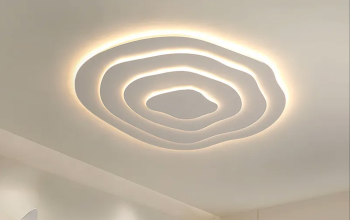
The “asymmetrical” part is key here. While traditional spherical paper lanterns are lovely, an asymmetrical design adds another layer of visual interest and modernity. It breaks away from predictable patterns, creating a more dynamic and artful statement.
Breaking Monotony with Unique Shapes
Symmetry is often associated with order and tradition. While there’s certainly a place for it, asymmetry injects a sense of spontaneity and contemporary flair. An asymmetrical paper lantern might have an irregular, organic form, or perhaps multiple intersecting planes. This non-traditional shape immediately draws the eye and prevents the space from feeling too stiff or predictable. In a closet, where lines are often very straight (shelves, rods, drawers), a curvaceous or angular asymmetrical light can provide a welcome visual contrast. It becomes a sculptural element rather than just a functional light source.
Creating Visual Flow and Interest
An asymmetrical design can guide the eye through the space. Its unique contours can lead your gaze, adding a subtle sense of movement and depth. This is especially useful in a walk-in closet that might have different sections or an unusual layout. The light doesn’t just sit there; it interacts with the room’s architecture. It can also serve as a conversation starter, even in a private space like a closet. It demonstrates a bold design choice and an appreciation for unique aesthetics.
Complementing Modern and Minimalist Styles
Asymmetrical designs often align beautifully with modern, minimalist, and even Japanese-inspired interior aesthetics. These styles frequently prioritize clean lines, natural materials, and an uncluttered feel, with a focus on form and function. A paper lantern, especially an asymmetrical one, fits this bill perfectly. It offers a soft, natural material (paper) and an intriguing form that doesn’t add visual clutter. It’s about making a statement through understated elegance and thoughtful design, rather than overwhelming the space with ornate fixtures.
Practical Considerations for Installation and Use
While the aesthetic benefits are clear, there are also some practical aspects to consider when bringing an asymmetrical paper lantern into your walk-in closet. Thinking these through beforehand will ensure a smooth experience.
Sizing and Placement for Optimal Illumination
This isn’t just about throwing up any lantern. The size and placement are crucial for effective lighting. You’ll want to ensure the lantern is proportionate to the size of your closet. Too small, and it will look lost and won’t provide enough light. Too large, and it could overwhelm the space or feel cumbersome.
Consider the dimensions of your closet:
- Small closets: A single, moderately sized asymmetrical lantern might be sufficient, positioned centrally.
- Medium to large closets: You might need a larger single lantern, or even two smaller ones, strategically placed to avoid dark corners.
Think about what you need to illuminate most effectively. Do you have a vanity area in your closet? Specific shelving that needs extra light? The goal is even, diffused light across all your clothing, shelves, and any mirrors. You might need to supplement the lantern with other lighting, like LED strip lights inside cabinets or drawers, or a small vanity light if you have a dedicated grooming area. The paper lantern provides the primary ambient light, setting the mood and general illumination.
Bulb Choice and Brightness
The type of light bulb you use inside your paper lantern is just as important as the lantern itself. Since paper lanterns diffuse light, you’ll want to choose a bulb that provides adequate brightness without being harsh.
- LED Bulbs: These are your best bet. They’re energy-efficient, long-lasting, and don’t produce much heat, which is important for a paper fixture. They also come in various color temperatures.
- Color Temperature: For a walk-in closet, a “daylight” (around 5000K-6500K) or “cool white” (around 4000K) temperature is often recommended. This mimics natural light, allowing you to see the true colors of your clothes without warm or cool casts. “Warm white” (2700K-3000K) can make colors appear richer but might distort some hues. Experiment to see what works best for you.
- Brightness (Lumens): Don’t just look at watts; focus on lumens. For a typical walk-in closet, you’ll want a good amount of lumens for functional lighting. A single 800-1100 lumen LED bulb (equivalent to a 60-75W incandescent) might be a starting point, but larger closets or those with darker finishes will need more. Consider a dimmer switch to adjust the ambiance.
Maintenance and Durability
Paper, by its nature, is more delicate than glass or metal. While modern paper lanterns are often treated for durability, a few considerations are wise:
- Dusting: Over time, dust will accumulate. Use a soft, dry cloth or a feather duster to gently clean the surface. Avoid anything wet, as it can damage the paper.
- Humidity: While typical indoor humidity isn’t an issue, extremely damp environments (like an unventilated closet in a very humid climate) could potentially affect the paper’s integrity over many years. Ensure adequate ventilation if this is a concern.
- Accidental Damage: Being lightweight, they can be bumped. While a ceiling fixture is generally out of harm’s way, be mindful during installation or if moving large items in the closet. Some designs might use slightly more robust, treated paper or even Tyvek-like materials for increased tear resistance.
- Longevity: With proper care, a good quality paper lantern can last for many years. The main components (paper and internal wire frame) are generally quite stable.
Integrating with Existing Closet Design
A stylish walk-in closet isn’t just about one element; it’s about a cohesive design. Your asymmetrical paper lantern should complement, not clash with, the rest of your closet’s aesthetic.
Complementing Materials and Textures
Consider the materials already present in your closet. Do you have warm wood tones, sleek lacquered finishes, soft fabrics, or metallic accents?
- Wood Finishes: A natural, off-white or beige paper lantern can beautifully complement warm wood shelving or cabinetry, enhancing a sense of organic elegance.
- Modern/Minimalist Closets: A crisp white or subtly textured paper lantern can reinforce a clean, contemporary aesthetic. Some asymmetrical designs feature very sharp folds or geometric patterns that fit perfectly here.
- Textile Elements: If your closet incorporates fabric storage bins, an ottoman, or a rug, the soft texture of the paper lantern can echo and enhance those elements, creating a layered and inviting feel. The diffused light also highlights textures beautifully.
- Metallic Accents: The soft light from a paper lantern can cast a flattering glow on polished chrome, brushed brass, or matte black hardware, making them stand out subtly rather than glaring.
The key is to think about how the light fixture’s material (paper) and its light quality interact with everything else in the room.
Harmony with Color Palettes
The color of your paper lantern will also play a significant role. While many are white or off-white, some come in subtle shades or even patterns.
- Neutral Palettes: In a closet with a neutral color scheme (grays, whites, beiges), a white or natural-toned asymmetrical paper lantern will blend seamlessly, adding visual interest without introducing another color. It allows the forms and textures of your clothing and closet elements to take center stage.
- Bold Color Accents: If your closet features a pop of color (e.g., a brightly painted wall, colorful storage boxes), a neutral lantern can provide a calming counterpoint, preventing the space from feeling too busy. Alternatively, a subtly colored lantern (e.g., a pale blue or soft green) could be chosen to complement or subtly echo an existing accent color, if available.
- Creating Contrast: In a very dark closet (perhaps with dark wood or paint), a crisp white asymmetrical paper lantern can provide a striking visual contrast, acting as a bright, airy focal point against the deeper tones. This contrast can make the light fixture stand out more as an art piece.
Beyond the Light: A Sculptural Statement
Don’t just view the paper lantern as a light source. Think of it as a hanging sculpture. Its asymmetrical form adds an artistic dimension that most standard closet lights simply don’t. This elevates the closet from a purely functional space to one with intentional design.
- Focal Point: Positioned centrally, an asymmetrical lantern can become the main visual anchor of the closet, drawing the eye upwards and adding an unexpected element of softness and organic form.
- Artistic Expression: Choosing a lantern with a particularly unique or abstract asymmetrical shape allows you to express your personal style in a less obvious area of your home. It shows attention to detail and an appreciation for design even in private spaces.
- Softening Hard Lines: Closets are often full of straight lines – shelves, drawer fronts, hanging rods. The gentle curves and irregular contours of an asymmetrical paper lantern can provide a much-needed organic counterpoint, softening the overall aesthetic and making the space feel more inviting and less rigid.
Where to Find Your Perfect Lantern
So, you’re convinced an asymmetrical paper lantern is the way to go. But where do you actually find one that fits your vision for a stylish walk-in closet?
Online Retailers and Specialty Shops
The internet is probably your best friend for unique and specialized lighting.
- E-commerce Giants (Etsy, Amazon, Wayfair): You’ll find a wide range here, from very budget-friendly options to more curated designs. Etsy, in particular, is excellent for handmade or artisan-crafted asymmetrical paper lanterns, where you can often find truly unique pieces directly from creators. Look for sellers specializing in “Washi paper lamps,” “Japanese paper lanterns,” or “Akari-style lamps.”
- Specialty Lighting Stores Online: Websites dedicated purely to lighting fixtures often have a more refined selection, though prices might be higher. They might carry specific designers or brands known for their unique forms.
- Home Decor Websites: Many popular home decor sites now offer a decent selection of unique lighting, including modern paper lantern styles. Always check dimensions and read reviews regarding light quality and ease of assembly.
Looking Local: Boutiques and Craft Fairs
Don’t discount physical locations, especially if you want to see the lantern in person before buying.
- Independent Home Goods Boutiques: These stores often curate unique and design-forward pieces that you won’t find in larger chain stores. They might carry a limited selection of artisanal or imported paper lanterns.
- Art and Craft Fairs: Especially those focusing on contemporary design, can be a goldmine for one-of-a-kind pieces. You might find a local artist who creates custom paper light sculptures. This is a great way to support local talent and acquire something truly special.
- Interior Design Showrooms: While typically more expensive, these showrooms often feature high-quality, designer lighting that could include sophisticated asymmetrical paper options. This is a good place to gather inspiration even if you don’t purchase directly.
DIY and Customization Options
For the truly adventurous, or those with a very specific vision, a DIY approach can be incredibly rewarding.
- Kits and Tutorials: You can find kits online that provide the necessary materials (paper, wire frame) to assemble your own asymmetrical lantern. There are also countless online tutorials that guide you through making one from scratch. This allows for ultimate control over the shape, size, and type of paper used.
- Choosing Your Paper: If you go the DIY route, consider different types of paper for varying effects. Washi paper (Japanese paper) is traditional and offers beautiful translucency and texture. Rice paper is another common choice. Experiment with thicker papers for a more sculptural look, or thinner ones for maximum light diffusion.
- Frame Materials: The internal frame can be made from various materials like bamboo, thin wire, or even plastic. The frame dictates the asymmetrical shape, so this is where you can get really creative.
- Safety First: When attempting any DIY lighting project, safety is paramount. Ensure all electrical components are correctly wired and that the paper is kept a safe distance from the light bulb to prevent any fire hazards. Using LED bulbs is highly recommended for DIY paper lanterns due to their low heat output. If you’re unsure about the electrical aspect, consult a professional electrician.
By thoughtfully selecting and integrating an asymmetrical paper lantern, your walk-in closet can truly become a stylish and inviting extension of your home’s overall design, proving that even utilitarian spaces deserve beautiful and functional illumination.