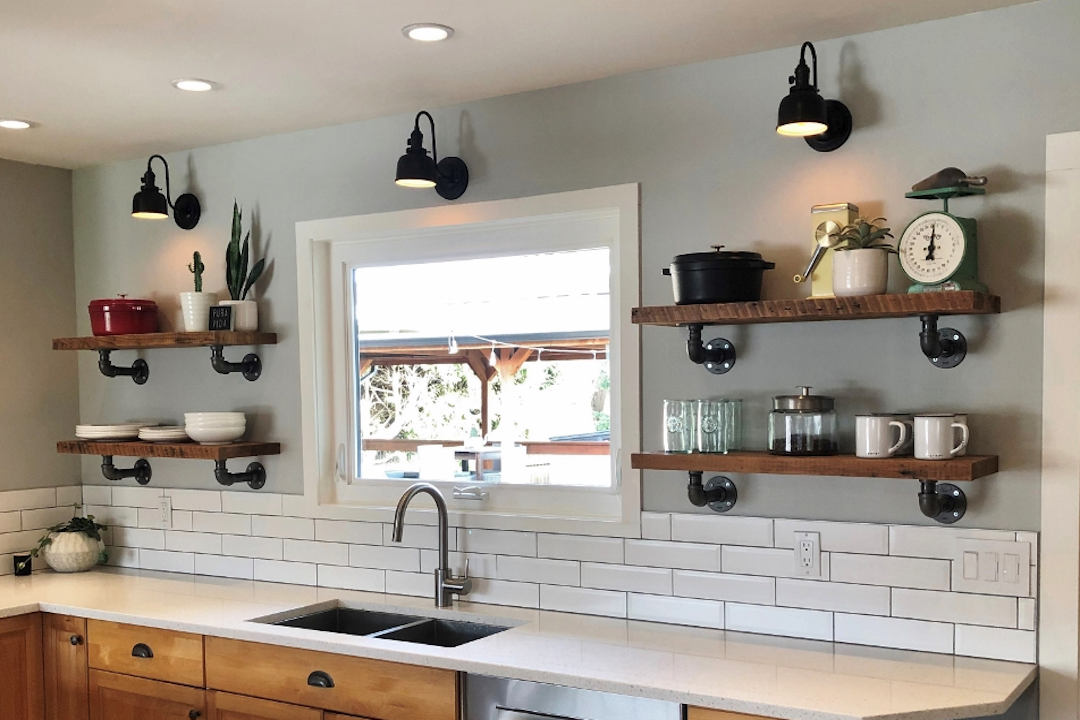
Thinking about improving your kitchen’s lighting? Wall sconces can be a surprisingly effective and stylish solution. They’re not just for hallways or bedrooms; strategically placed sconces in your kitchen can add both functional light and a touch of visual appeal, often in places where other fixtures might not quite fit. They offer a softer, more ambient glow than recessed lights or a direct task light that feels less harsh than under-cabinet strips, depending on how you use them.
You might typically associate sconces with other rooms, but they bring some distinct advantages to the kitchen.
Beyond Overhead Lighting
Most kitchens rely heavily on ceiling lights – often recessed cans or a central fixture. While these are essential for general illumination, they can create shadows, especially when you’re working at the counter with your back to the main light Hongfu source. Sconces, strategically placed, can fill in these shadowy areas.
Adding Visual Interest
Kitchens are high-traffic, utilitarian spaces. Beyond functionality, you likely want yours to feel inviting and well-designed. Sconces, with their diverse styles, can act as decorative elements, breaking up large expanses of wall or adding a focal point. They introduce another layer of design that goes beyond just practical illumination.
Task Lighting and Accent Lighting Combined
Depending on their placement and light output, sconces can serve dual purposes. A focused sconce near a prep area can provide valuable task lighting, while a softer, upward-facing sconce can cast an ambient glow, making the space feel warmer.
Choosing the Right Sconce Style
The design of your wall sconce can significantly impact your kitchen’s overall aesthetic. There’s a huge variety available, so matching them to your existing decor is key.
Modern and Minimalist
If your kitchen leans towards sleek lines, simple finishes, and an uncluttered look, modern or minimalist sconces will fit right in.
Clean Lines and Simple Shapes
Look for sconces with geometric forms, like squares, cylinders, or simple bars. Brushed metals – think stainless steel, matte black, or polished chrome – are common. Avoid overly ornate details. The focus here is on understated elegance.
Integrated LED Options
Many modern sconces feature integrated LED lighting, which allows for very slim profiles and often a cleaner appearance, as you don’t see a visible bulb. These can also be energy-efficient.
Traditional and Classic
For kitchens with a more classic, farmhouse, or rustic feel, traditional sconces can enhance the existing decor.
Richer Finishes and Ornate Details
Consider finishes like oil-rubbed bronze, antique brass, or even wrought iron. Sconces in these styles often incorporate curves, decorative arms, or even glass shades that mimic old-world designs – think ribbed glass or seeded glass.
Exposed Bulbs (often Edison style)
Some traditional sconces highlight the bulb itself, particularly vintage-style Edison bulbs with their visible filaments. This can add a warm, nostalgic glow.
Industrial and Loft Style
If your kitchen embraces exposed brick, metal accents, or a raw, urban sensibility, industrial sconces are a natural fit.
Metal Cages and Exposed Hardware
These sconces often feature metal cages around the bulb, exposed wiring, or visible screws and bolts – celebrating the raw, functional aspects of lighting. Blackened steel or aged bronze finishes are common.
Barn-Style or Gooseneck Designs
Sconces with prominent arms that project from the wall, often with a domed shade, are characteristic of the industrial look. These can be particularly effective over a sink or a small counter area.
Strategic Placement for Maximum Impact
Where you put your wall sconces is just as important as their style. Thoughtful placement ensures they serve their functional and aesthetic purposes.
Over the Sink
This is a classic placement. A sconce or a pair of sconces above the kitchen sink can drastically improve visibility while washing dishes or doing prep, preventing you from casting a shadow over your work.
Focused Task Lighting
Choose a sconce that directs light downwards or has a clear shade to ensure sufficient brightness for the activity.
Aesthetics in a Prime Spot
The sink often serves as a focal point. A well-chosen sconce can enhance this area’s visual appeal, especially if your window above the sink is small or you lack natural light.
Along Open Shelving
If you have open shelves in your kitchen, sconces can highlight your displayed items and add a layer of ambient light.
Illuminating Decor and Cookbooks
Placing sconces just above or between shelves can cast a soft glow on your dishes, cookbooks, or decorative pieces, making them stand out.
Breaking Up Wall Space
Open shelves can sometimes feel a bit sparse. Sconces provide an anchor, drawing the eye and adding interest to the wall area.
Between Cabinets or Above Wall Cabinets
For kitchens with traditional upper cabinets, sconces can be placed in gaps or even above the cabinets for an upward-facing wash of light.
Filling Awkward Gaps
Sometimes there’s a small wall section between two cabinet runs or above a doorway where a standard fixture won’t work. A slender sconce can fit perfectly here, adding light without clutter.
Uplighting for Ambience
Sconces positioned above upper cabinets can bounce light off the ceiling, creating a soft, indirect ambient light that makes the kitchen feel larger and more inviting, especially in the evenings.
Near a Breakfast Nook or Banquette
If you have a dedicated eating area within your kitchen, sconces can enhance its comfort and functionality.
Creating a Cozy Atmosphere
A pair of sconces flanking a banquette or positioned above a small breakfast bar can define the space and make it feel more intimate and inviting than harsh overhead lights.
Supplemental Task Lighting
For reading the morning paper or doing casual work, a sconce can provide a comfortable level of light.
Installation Considerations
Before you start picking out sconces, it’s good to be aware of some practical aspects of their installation.
Electrical Wiring
Most wall sconces require hardwiring, meaning they connect directly to your home’s electrical system within the wall.
New Wiring vs. Existing Boxes
If you’re building new or doing a major renovation, you can plan for wiring precisely where you want it. For existing kitchens, you’ll need to consider if you have existing electrical boxes in suitable locations, or if you’ll need an electrician to run new wiring, which can add to the cost and complexity.
Dimmer Switches
For sconces providing ambient or accent lighting, a dimmer switch is almost essential. It allows you to adjust the light level to suit the mood or time of day, from bright task lighting to a soft glow.
Height and Spacing
Getting the height right is crucial for both visual appeal and functional light distribution.
Eye-Level or Slightly Above
Generally, sconces are mounted so the center of the fixture is around eye-level or slightly above – roughly 60-70 inches (150-175 cm) from the floor. However, in a kitchen, this can vary based on whether they’re over a counter or in an open area. If they’re over a counter, you might want them a bit higher to clear items.
Avoiding Glare
Ensure that the light source isn’t directly in your line of sight when you’re moving around the kitchen, as this can cause discomfort and glare. Opaque or frosted shades can help diffuse the light.
Sconce Types and Light Output
Different sconce designs affect how light is distributed.
Up-lighting vs. Down-lighting
Some sconces direct light primarily upwards, washing the wall and ceiling with ambient light. Others direct light downwards, offering more focused task lighting. Many sconces offer a blend, providing light in multiple directions.
Shielded vs. Unshielded
Sconces with opaque shades or those that are completely enclosed will give a softer, more diffused light. Exposed bulb sconces or those with clear glass will provide more direct, often brighter light. Consider the bulb type (warm or cool color temperature, lumen output) to further tailor the effect.
Maintenance and Bulb Choices
Maintaining your sconces is usually straightforward, but bulb choices offer another layer of customization.
Simple Cleaning
Most sconces just need a regular wipe-down with a dry or slightly damp cloth to remove dust and grease. For kitchen sconces, which can accumulate cooking residue, use a mild cleaner appropriate for the fixture’s finish. Always turn off the power before cleaning.
Bulb Types and Temperatures
The type of bulb you use can dramatically change the feel of your sconce.
LED Bulbs
These are the most energy-efficient choice, last a long time, and come in a wide range of color temperatures and brightness levels. Look for “dimmable” LEDs if you plan to use a dimmer switch.
Incandescent and Halogen (less common now)
While they provide a warm, traditional glow, these are less energy-efficient and generate more heat. They’re becoming less common due to regulations and the superior performance of LEDs.
Color Temperature (Kelvin Scale)
- Warm White (2700K-3000K): This is a softer, yellowish light, great for creating a cozy, inviting atmosphere. Ideal for ambient or accent sconces.
- Cool White (3500K-4500K): A brighter, whiter light that can feel more energetic and task-oriented. Good for task lighting, but can feel stark if used exclusively.
- Daylight (5000K-6500K): Mimics natural daylight. Can be very bright and sometimes a bit too blue for residential kitchens, making it feel less warm.
Consider a mix of color temperatures if you have different lighting zones in your kitchen. For instance, warmer sconces for ambiance and cooler under-cabinet lights for task work.
Integrating Sconces into Your Existing Kitchen Design
You don’t need a full renovation to add wall sconces. They can be a relatively straightforward upgrade.
Complementing Existing Fixtures
Think about how sconces will work with your current overhead lighting, pendant lights, or under-cabinet lighting. You want them to enhance, not compete. Aim for consistent finishes or complementary styles.
Balancing Light Layers
A well-lit kitchen uses layers of light:
- Ambient: General overhead light.
- Task: Focused light for specific activities (like chopping or reading).
- Accent: To highlight architectural features or decor.
Sconces can contribute to both task and accent lighting, and even soft ambient light if positioned strategically to bounce off surfaces.
Budget-Friendly Upgrade
Compared to replacing all your overhead lighting or adding extensive under-cabinet strips, installing a few sconces can be a more budget-friendly way to significantly impact your kitchen’s lighting and appearance. If you’re comfortable with basic electrical work, you could even DIY some simpler installations (though consulting an electrician is always recommended for safety and compliance).
By carefully selecting style, considering placement, and understanding the practical aspects of installation, wall sconces can be a valuable addition to your kitchen, making it both more functional and more visually appealing. They offer a refined alternative or complement to traditional kitchen lighting, providing a softer, more intentional glow.