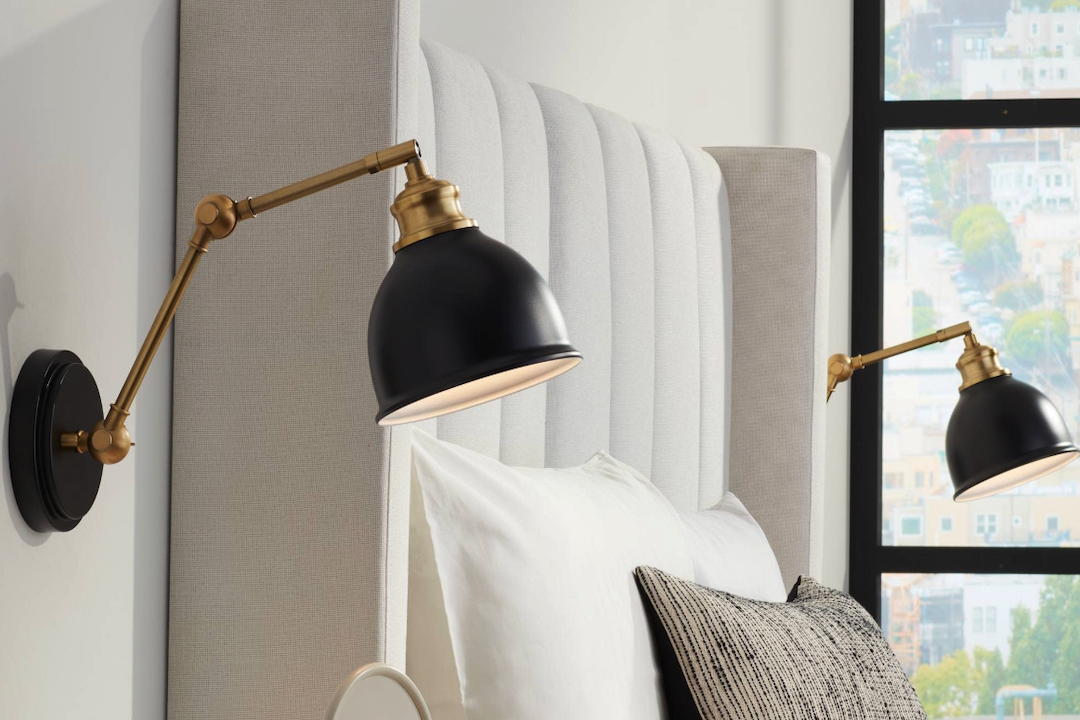
Ever wondered how to make your bedroom lighting work harder for you, without taking up precious nightstand space? An adjustable swing-arm bedside wall sconce is a fantastic answer. It’s practical, frees up your surfaces, and offers focused, customizable light right where you need it most. No more fumbling for the light switch or struggling to read in dim, awkwardly positioned light.
Let’s talk about why these sconces are more than just pretty faces on your wall. They’re genuinely functional additions to any bedroom, whether it’s sprawling or small.
Saving Space on Your Nightstand
This is probably the biggest selling point. We all have too much stuff on our nightstands, right? Books, water bottles, charging phones, remotes, maybe a sleep mask. By mounting your light on the wall, you instantly free up that valuable surface area. It makes your bedside look cleaner, less cluttered, and gives you more room for the essentials. Think about it: instead of a clunky lamp base, you have a sleek fixture out of the way.
Directed Light for Reading and Tasks
Unlike an overhead light that casts a general glow or a fixed lamp Munilo that might illuminate your pillow awkwardly, a swing-arm sconce excels at focused lighting. You can pivot the arm and tilt the shade precisely where you need it – perfect for reading a book, scrolling on your tablet, or doing a bit of late-night journaling without disturbing a partner. This helps reduce eye strain and makes those nighttime tasks much more comfortable.
A Modern Aesthetic Touch
Beyond the practicalities, these sconces often bring a really nice aesthetic to a room. They tend to have a contemporary or even an industrial chic look, adding a touch of sophistication that a traditional table lamp might not. They come in various finishes, from brushed nickel to matte black to polished brass, allowing you to match them to your existing decor or use them as a design statement. They contribute to a layered lighting scheme, adding depth and interest to your bedroom.
Choosing the Right Sconce for Your Needs
With so many options out there, picking the right one can feel a bit daunting. But it doesn’t have to be. Let’s break down some key considerations.
Understanding Arm Reach and Adjustability
This is crucial. Think about how far you need the light to extend from the wall and how much flexibility you’ll need.
Single vs. Double Swing Arms
- Single Arm: Usually extends directly from the wall mount with one joint. Simpler design, generally less reach, but still very functional for close-up tasks.
- Double Arm: Offers more articulation points, allowing for greater extension and more precise positioning. If you like to recline further back in bed or have a wider bed, a double-arm sconce might be a better choice.
Swivel and Tilt Capabilities
Beyond the arm swing, check if the head of the light can swivel left and right or tilt up and down. This offers even finer control over where the light is directed. The more adjustability, the better for tailoring the light to your specific needs, whether you’re sitting up or lounging back.
Light Source and Brightness
The type of bulb and the sconce’s design will significantly impact the light quality.
LED Integration vs. Replaceable Bulbs
- Integrated LED: Often sleek, energy-efficient, and long-lasting. However, if the LED fails, the whole fixture often needs replacing.
- Replaceable Bulbs (Edison, G9, GU10, etc.): Offers flexibility in choosing bulb type (incandescent, CFL, LED) and color temperature. You can easily swap out a bulb if it burns out or if you want to change the light’s feel.
Dimmable Features
For a bedside light, dimmability is almost essential. You might want bright light for reading but a softer glow for winding down. Look for sconces that are compatible with dimmer switches or have integrated dimmers (often a touch-sensitive button on the fixture itself). Ensure any replaceable bulbs you choose are also dimmable.
Color Temperature (Kelvin)
This refers to how “warm” or “cool” the light appears.
- Warm White (2700K-3000K): Creates a cozy, inviting atmosphere. Ideal for bedrooms.
- Neutral White (3500K-4000K): More balanced, good for tasks but can feel a bit less relaxing in a bedroom setting.
- Cool White/Daylight (5000K+): Brighter, more energetic. Best avoided for bedside lights as it can disrupt melatonin production.
Finishes and Materials
The aesthetic of your sconce plays a big role in your bedroom’s overall look.
Popular Finishes
- Matte Black: Modern, industrial, and versatile.
- Brushed Nickel/Chrome: Sleek, contemporary, and often a good match for modern decor.
- Brass/Gold: Adds a touch of warmth and elegance, popular in mid-century modern or more traditional settings.
- Bronze: Earthy, rustic, and can fit well with farmhouse or traditional styles.
- White: Clean, minimalist, and blends seamlessly into many decors.
Shade Material
Consider how the shade diffuses light. Metal shades will direct light more focally, often only downwards, which is great for reading. Fabric shades offer a softer, more ambient light but might not be as effective for task lighting. Clear or frosted glass shades can offer a blend of both.
Installation Options: Wired vs. Plug-In
This is a big decision that impacts how easy (or difficult) installation will be.
Hardwired Sconces
These are permanently connected to your home’s electrical wiring, typically controlled by a wall switch. They offer a very clean, integrated look with no visible cords.
Pros of Hardwired
- Clean Aesthetic: No messy cords dangling down.
- Integrated Control: Can be controlled by a wall switch, often along with other room lights.
- Permanent Feel: Looks like a built-in feature of your room.
Cons of Hardwired
- Professional Installation Recommended: If you’re not comfortable with electrical work, you’ll need an electrician.
- Cost and Effort: More involved installation and potential drywall repair if you’re running new wires.
- Less Flexible: Once installed, moving them is a bigger project.
Plug-In Sconces
These are designed to simply plug into a standard wall outlet. They usually come with an exposed cord, which can sometimes be styled or hidden.
Pros of Plug-In
- Easy DIY Installation: No electrical knowledge needed, just mount it to the wall and plug it in.
- Portability: Can be easily moved to another room or position if you change your mind.
- Cost-Effective: Generally cheaper to install since you don’t need an electrician.
Cons of Plug-In
- Visible Cords: The cord can be an aesthetic consideration. You might need to use cord covers or get creative with hiding it.
- Requires an Outlet: Limits placement to locations near an existing wall outlet.
- Controlled by Inline Switch: Often have a switch on the cord or fixture itself, rather than a wall switch, which might be less convenient for some.
Hiding Plug-In Cords
If you go the plug-in route but dislike visible cords, there are solutions:
- Cord Covers: Paintable plastic channels that adhere to the wall.
- Furniture Placement: Position your nightstand or bed in front of the lower portion of the cord.
- Decorative Sleeves: Fabric or braided sleeves can make the cord look less like an electrical wire and more like a design element.
Placement and Height Considerations
Where you put your sconce, and how high, makes a huge difference in its functionality and appearance.
Optimal Height for Reading
A good rule of thumb is to place the bottom edge of the sconce shade roughly at shoulder height when you’re sitting up comfortably in bed. For most people, this is around 24-30 inches above the top of your mattress. The idea is that the light source should be above your eye level, preventing glare, but low enough to effectively illuminate your reading material.
Key Factors to Consider
- Your Mattress and Bed Height: Taller beds will require a higher mounted sconce.
- Your Sitting Height: If one person is significantly taller than the other, you might need to find a compromise or opt for a sconce with more vertical adjustability.
- Headboard Height: Ensure the sconce doesn’t interfere with or get lost behind your headboard. It shouldn’t be so low that it looks awkward below the headboard’s top line.
Centering and Spacing
If you’re installing two sconces (one on each side of the bed), symmetry is usually key.
Position Relative to the Bed
Typically, sconces are centered above the nightstand, or about 6-12 inches out from the edge of the bed frame (or headboard). This placement ensures the light reaches you comfortably without being too close or too far away.
Measuring Twice
Before drilling, do a dry run! Tape up a piece of paper cut to the size of your sconce at your proposed height and position. Sit in bed, lie down, and see how it feels. This simple step can save you a lot of hassle.
Beyond the Bedroom: Other Uses for Swing-Arm Sconces
While we’re focusing on the bedroom, don’t limit your thinking! Swing-arm sconces are versatile fixtures that can benefit other areas of your home too.
Home Office Lighting
desks. They’re excellent for providing focused task lighting for reading documents, using a keyboard, or working on crafts without cluttering your desk surface. Position one above your main work area or even over a secondary task zone.
Reading Nooks and Armchairs
Got a comfy armchair that doubles as your favorite reading spot? Instead of a floor lamp that hogs space, mount a swing-arm sconce on the wall next to it. It offers that same directed light, creating a perfect little illuminated haven for relaxation.
Gallery Walls and Artwork Lighting
While not their primary purpose, larger swing-arm sconces with a broader light spread can sometimes be used to illuminate a gallery wall or a significant piece of artwork. The ability to articulate the light can help you highlight different elements as needed, adding dynamic flair to your wall decor. Just be mindful of heat if using non-LED bulbs near artwork.
Maintenance and Care for Longevity
Once your sconce is installed, a little routine care will keep it looking good and performing well for years to come.
Regular Cleaning
Dust and grime can dull any fixture. A quick wipe-down once a month or so will maintain its shine.
For Metal Finishes
Use a soft, dry or slightly damp cloth. Avoid harsh chemical cleaners, especially on brushed or matte finishes, as they can strip the finish or leave streaks. For stubborn spots, a little diluted mild soap and water can work, but always dry immediately and thoroughly.
For Fabric or Paper Shades
A lint roller or a soft brush can gently remove dust. For more substantial cleaning, check the manufacturer’s recommendations, as some shades might not be suitable for wet cleaning.
Checking for Loose Connections (Hardwired)
If you notice any flickering or inconsistent light from a hardwired sconce, and you’ve ruled out the bulb, it might be worth having an electrician check the wiring connections inside the wall mount. This is not a DIY task unless you are a qualified electrician.
Bulb Replacement (for Non-Integrated LEDs)
Always make sure the power is off before replacing a bulb. Allow the old bulb to cool down. Use the correct wattage and bulb type specified by the manufacturer. If you’re concerned about heat, especially near wallpaper or curtains, opt for LED bulbs, which run much cooler.
Lubricating Moving Parts
If your swing arm starts to feel stiff or squeaky over time, a tiny amount of silicone-based lubricant on the hinge points can often smooth things out. Again, check the manufacturer’s guide to ensure you’re not damaging the finish or mechanism.
Final Thoughts: A Smart Bedroom Upgrade
An adjustable swing-arm bedside wall sconce might seem like a small detail, but it’s amazing how much of a difference it can make. It’s a smart choice for anyone looking to optimize their bedroom space, enhance their reading experience, and add a touch of modern style. Whether you go for hardwired sophistication or plug-in practicality, you’re investing in comfort and convenience. So go ahead, treat your bedroom (and yourself!) to some thoughtful illumination.