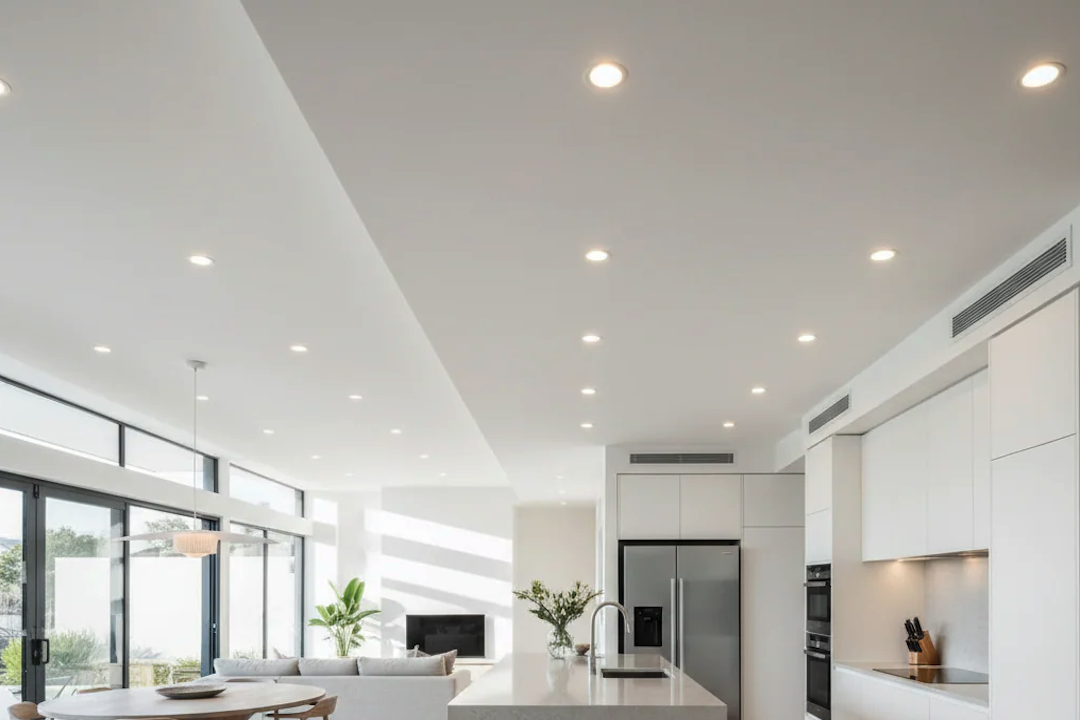
Recessed aluminum downlights are an excellent choice for a modern kitchen upgrade. They offer a sleek, unobtrusive lighting solution that can dramatically improve both the aesthetics and functionality of your space. Unlike bulky surface-mounted fixtures, downlights are built into the ceiling, creating a clean, uncluttered look that’s perfect for contemporary designs. Their aluminum construction isn’t just about looks; it also provides excellent heat dissipation, which prolongs the life of the LED bulbs and ensures consistent performance.
Let’s face it, your kitchen is often the heart of your home. It’s where meals are made, coffee is brewed, and conversations happen. Dated lighting Iolamp can make even the most beautiful kitchen feel a bit… off. Recessed aluminum downlights bring a fresh, contemporary vibe that elevates the entire space.
Sleek Aesthetics and Unobtrusive Design
One of the biggest draws of recessed lighting is its ability to practically disappear. You get all the light, without the visual clutter. This is especially important in open-concept kitchens where you want a seamless transition between spaces.
- Clean Ceiling Lines: No dangling fixtures or visible wiring. The ceiling looks smooth and uninterrupted.
- Minimalist Appeal: Perfect for modern and minimalist kitchen designs, where less is definitely more.
- Enhanced Space Perception: By removing visual obstacles, the kitchen can feel larger and more open.
Durability and Longevity with Aluminum Construction
Aluminum isn’t just picked for its looks. It’s a robust material that offers real practical benefits, particularly in a demanding environment like a kitchen.
- Excellent Heat Dissipation: Aluminum is a fantastic conductor of heat. This means the heat generated by the LED chips is efficiently transferred away, preventing overheating. Overheating is a common culprit for premature LED failure.
- Corrosion Resistance: Kitchens can be humid environments with cooking fumes. Aluminum is naturally resistant to rust and corrosion, ensuring your downlights continue to look good and function well for years to come.
- Lightweight Yet Strong: Aluminum offers a great strength-to-weight ratio, making installation easier while still providing a sturdy housing for your lighting components.
Energy Efficiency and Cost Savings
Modern recessed downlights almost exclusively use LED technology, which is a game-changer when it comes to energy consumption and longevity.
- Reduced Electricity Bills: LEDs consume significantly less power than traditional incandescent or even halogen bulbs. This translates into noticeable savings on your monthly energy bill.
- Long Lifespan: LED bulbs can last tens of thousands of hours – often 25,000 to 50,000 hours or more. This means fewer bulb changes, less hassle, and reduced maintenance costs over time.
- Lower Heat Output: Unlike traditional bulbs that generate a lot of heat, LEDs are much cooler. This can subtly contribute to a more comfortable kitchen environment and even reduce the load on your air conditioning in warmer months.
Planning Your Downlight Layout: More Than Just Brightness
Throwing a few downlights into your ceiling isn’t going to cut it for a truly functional and aesthetically pleasing kitchen. Strategic placement is key. You’ll want to think about layering different types of light to meet various needs.
General Ambient Lighting
This is your baseline light, providing overall illumination for the entire kitchen. It’s the light you switch on when you walk in the room.
- Even Distribution: Aim for a consistent spread of light without harsh shadows. Avoid placing lights directly above where you’ll be standing and working, as this can create shadows on your workspace.
- Strategic Spacing: A good rule of thumb is to space downlights evenly, often 3-5 feet apart, depending on the ceiling height and the beam angle of the fixtures. Higher ceilings might require wider spacing or lights with a broader beam.
- Dimmer Compatibility: Always include dimmers for your ambient lighting. This allows you to adjust the brightness for different activities and to create various moods.
Task Lighting for Work Zones
This is arguably the most crucial lighting in a kitchen. You need bright, focused light where you’re chopping, cooking, and reading recipes.
- Under-Cabinet Lighting: The gold standard for task lighting over countertops. This eliminates shadows cast by overhead ambient lights and provides direct illumination where you need it most.
- Over-Sink and Over-Stove Lighting: Consider dedicated downlights (or other purpose-specific fixtures) directly above your sink and cooktop. These areas require generous, focused light for safety and efficiency.
- Island/Peninsula Lighting: If you have an island or peninsula used for prep or dining, integrate downlights directly above it. Pendants can also work well here, but downlights offer a cleaner look.
Accent and Decorative Lighting
While not strictly necessary for functionality, accent lighting can truly elevate the look and feel of your modern kitchen, highlighting features and creating atmosphere.
- Wall Washing: Position downlights closer to walls to “wash” them with light, highlighting textured surfaces or artwork.
- Cabinet Interior Lighting: Showcase glassware or decorative items inside glass-front cabinets with small, discreet downlights.
- Toe-Kick Lighting: A subtle strip of LED lighting along the bottom kick plates of your cabinets can create a sophisticated, floating effect and provide a soft nightlight.
Key Features to Look for in Modern Recessed Aluminum Downlights
Not all downlights are created equal. When you’re shopping, pay attention to these features to ensure you’re getting the best fit for your kitchen and your budget.
Color Temperature (CCT)
This refers to the “warmth” or “coolness” of the light, measured in Kelvin (K). It dramatically impacts the feel of your kitchen.
- Warm White (2700K-3000K): Creates a cozy, inviting atmosphere. Ideal for dining areas or kitchens meant to feel more like a living space.
- Neutral White (3500K-4000K): A good balance, offering a clean, crisp light that’s excellent for task lighting without being too harsh. This is often a popular choice for modern kitchens.
- Cool White/Daylight (5000K+): Very bright and energetic, mimicking natural daylight. While great for focused tasks, it can feel a bit sterile for an entire kitchen.
Pro-Tip: Aim for a consistent color temperature across all your kitchen lighting for a cohesive look. However, you might use slightly warmer tones for ambient lighting and slightly cooler (but still neutral) tones for task lighting.
Beam Angle
This describes how wide or narrow the cone of light emitted by the downlight is.
- Narrow Beam (e.g., 20-30 degrees): Creates a more focused spot of light, good for accentuating specific features or for very task-specific areas.
- Medium Beam (e.g., 35-50 degrees): A versatile choice for ambient and general task lighting, providing a good spread without being too diffuse.
- Wide Beam (e.g., 60+ degrees): Spreads light broadly, great for general ambient lighting in larger spaces, reducing the number of fixtures needed.
Dimming Capabilities
This is a non-negotiable feature for kitchen lighting. The ability to adjust brightness is essential for versatility.
- Smooth Dimming: Look for lights and dimmers that offer a smooth, flicker-free dimming range. Some cheaper options can be jerky or buzz.
- Dimmable Drivers: Ensure the downlight’s integrated driver (the component that converts line voltage) is dimmable and compatible with common dimmer switches.
- Smart Home Integration: Many modern downlights can be integrated with smart home systems (e.g., Alexa, Google Home), allowing for voice control and scheduling.
IC-Rated (Insulation Contact)
If you’re installing downlights into an insulated ceiling, this rating is crucial for safety.
- Prevents Fire Hazards: IC-rated fixtures are designed to safely come into direct contact with insulation without overheating, significantly reducing the risk of fire.
- Non-IC Rated Fixtures: If a fixture isn’t IC-rated, it requires a minimum clearance from insulation, often necessitating an airtight box around it – adding complexity and cost. Always check this rating if your ceiling has insulation.
Airtight/Wet Rated Options
Depending on the specific location of your downlights, these ratings might be important.
- Airtight (AT) Rated: These fixtures are designed to prevent air leakage between your living space and the attic, improving your home’s energy efficiency. Useful in all climate zones.
- Wet Rated: Necessary for fixtures directly exposed to water, like inside a shower.
- Damp Rated: Suitable for outdoor covered areas or indoor spaces with high humidity, such as directly above a shower, or in a very steamy kitchen. For most kitchen applications, damp-rated is sufficient if near a splash zone.
Installation Considerations and Tips
While the concept of recessed lighting is straightforward, proper installation ensures safety, longevity, and optimal performance.
Professional vs. DIY Installation
- DIY for the Handy: If you’re comfortable with electrical work, accessing your ceiling, and cutting holes precisely, installing recessed downlights can be a rewarding DIY project. Just remember to always shut off power at the breaker!
- Professional for Peace of Mind: For most homeowners, hiring an electrician is the safest and most efficient option, especially if you’re dealing with new wiring, complex layouts, or unfamiliar home electrical systems. They’ll ensure everything is up to code.
Location of Joists and Wiring
- Locate Joists First: Before cutting any holes, use a stud finder to locate ceiling joists. You cannot cut through structural joists to place a light. Your layout needs to accommodate these.
- Existing Wiring: If you’re replacing existing fixtures, you’ll utilize the current wiring. For new installations, planning the wire runs is crucial.
- Access Above the Ceiling: Whether it’s an attic or an open floor above, access to run wires and position fixtures makes the job much easier.
Sizing and Number of Lights
- Don’t Overdo It: Too many downlights can make a kitchen look like an airport runway and create too much ambient light. Focus on strategic placement rather than sheer quantity.
- Consider Beam Angle: A wider beam angle means fewer fixtures are needed for general illumination.
- Ceiling Height: Higher ceilings often require more powerful lights or lights with a broader beam to effectively illuminate the space. Standard ceiling heights (8-9 feet) work well with typical 4-inch or 6-inch downlights.
Trim Styles and Finishes
The “trim” is the visible ring around the recessed light that sits flush with your ceiling.
- Baffle Trim: Most common, with a ribbed interior that absorbs excess light, reducing glare. Available in various colors (white, black, bronze).
- Reflector Trim: Has a shiny, mirror-like interior that maximizes light output. Good for task lighting but can be glarier.
- Aperture/Pinhole Trim: Creates a very narrow, focused beam of light, almost like a spotlight. Great for accent lighting.
- Gimbal Trim: Allows the light to be adjusted and angled, perfect for highlighting artwork or specific features.
- Finishes: White is always a safe bet for ceilings, blending in seamlessly. Black can create a dramatic, modern contrast. Brushed nickel or bronze can add a touch of sophistication if appropriate for your kitchen’s overall design.
Beyond the Basics: Smart Lighting and Future-Proofing
Modern lighting goes beyond just being functional. Integrated smart features can add convenience and enhance your kitchen experience.
Smart Dimming and Color Changing
- App Control: Control your lights from your smartphone or tablet, adjusting brightness and sometimes even color temperature with a tap.
- Voice Control: Seamlessly integrate with smart home assistants like Amazon Alexa or Google Assistant for hands-free operation.
- Schedule and Scenes: Set your lights to automatically turn on/off, dim to certain levels at specific times, or create “scenes” (e.g., “cooking mode” with bright task lighting, “dinner mode” with softer ambient light).
Tunable White Lighting
Some advanced LED downlights offer “tunable white,” allowing you to adjust the color temperature from warm to cool.
- Dynamic Ambiance: Shift from a warm, cozy glow in the evening to a bright, crisp light for morning prep, all from the same fixture.
- Circadian Rhythm Support: Mimic natural daylight cycles, which can potentially support your body’s natural rhythms and well-being.
Upgradability and Maintenance
- Replaceable LEDs: While many LED downlights are integrated units, some allow for the replacement of the LED module itself (or even the entire “bulb” if it’s a retrofit style) without needing to replace the entire fixture. This can be beneficial for future upgrades or if a component fails.
- Cleaning: Keeping the visible trim clean is simple with a damp cloth. Because they are recessed, they tend to collect less dust than open fixtures.
Upgrading your kitchen with modern recessed aluminum downlights is an investment that pays off in both immediate aesthetic improvement and long-term functional benefits. By carefully planning your layout, choosing the right features, and considering smart home integration, you can create a brightly lit, inviting, and truly modern kitchen space that you’ll love for years to come.