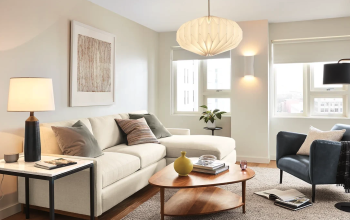
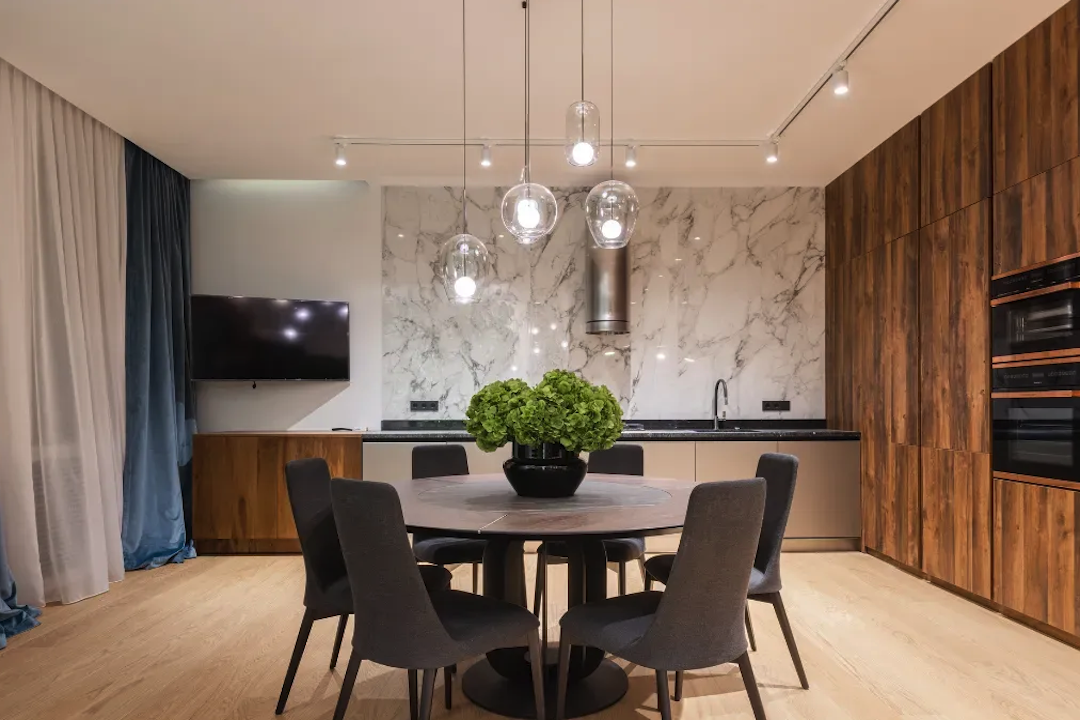
Looking to add a cozy, inviting feel to your dining area while keeping things current? Modern dining room pendant lighting is a great way to do just that. It’s not just about illumination; it’s about crafting an atmosphere, highlighting your dining table, and tying the room’s aesthetic together. From minimalist designs to bolder statements, the right pendant light can transform your dining space from functional to truly atmospheric.
“Warm ambiance” in a dining room context generally translates to a sense of comfort, welcome, and intimacy. It’s about creating a space where people feel relaxed and inclined to linger, whether it’s over a casual weeknight meal or a celebratory dinner. Lighting Hongfu plays a massive role in achieving this, and pendant lights are particularly adept at it.
Beyond Brightness: The Hue and CRI
It’s not just about how many watts. The color temperature of your light bulbs is crucial. Think “warm white” or “soft white” – typically 2700K to 3000K on the Kelvin scale. These warmer tones mimic natural candlelight or incandescent bulbs, which our brains often associate with comfort and ease. Cooler temperatures (4000K+) tend to feel more sterile and functional, which isn’t ideal for a dining space.
The Color Rendering Index (CRI) is another factor. A high CRI (generally 80 or above) means the light accurately displays the colors of objects beneath it. When you’re serving food, you want it to look appealing and true-to-life, not washed out or strangely tinted. Good CRI helps achieve this, making your meals look as delicious as they taste.
Dimming Capabilities: Essential for Flexibility
A warm ambiance isn’t a fixed state; it’s adaptable. Your dining setting might range from a bright morning breakfast to an intimate evening dinner party. Dimmable pendant lights are non-negotiable for achieving true flexibility. They allow you to adjust the light intensity to match the mood and time of day, offering everything from focused task lighting to a soft glow. Investing in a good dimmer switch is just as important as choosing the right dimmable bulbs.
Choosing the Right Modern Pendant Style
Modern design often emphasizes clean lines, functional forms, and a less-is-more approach. This doesn’t mean boring, though. There’s a vast array of modern pendant styles that can contribute to a warm feel without sacrificing contemporary aesthetics.
Minimalist Chic
These pendants often feature simple geometric shapes – think spheres, cylinders, or slim bars. Materials like brushed metal, matte black, or frosted glass are common. The warmth here comes from the quality of the light itself, often diffused gently, rather than from ornate design. They blend seamlessly into a modern space, providing illumination without visual clutter.
- Single Statement Pendants: One larger pendant can be a focal point over a smaller table.
- Multi-Pendant Clusters: Several smaller, identical pendants grouped at varying heights create visual interest.
- Linear Pendants: Ideal for long rectangular tables, providing even illumination along the length.
Industrial Edge (Subtly Applied)
While full-blown industrial can feel cold, a touch of this aesthetic can add character and warmth. Think pendants with exposed bulbs (use warm-toned Edison-style LEDs), metal cages (often in black or brass), or concrete finishes. The juxtaposition of these raw materials with soft lighting can be quite appealing and inviting. The key is to avoid anything too harsh or overtly factory-like.
- Dome Pendants: Often metal, providing a downward focused light.
- Cage Pendants: Offer a glimpse of the bulb, adding visual texture.
Organic and Natural Forms
Modern design also embraces elements inspired by nature. Pendants crafted from wood (light or dark, depending on your palette), rattan, woven fibers, or ceramic can introduce a tactile, earthy warmth. These pieces often have a softer, more handcrafted feel that instantly makes a space feel more grounded and comfortable.
- Woven Pendants: Rattan or bamboo lights cast interesting shadows and add texture.
- Wooden Pendants: From simple block designs to more intricate patterns, wood inherently softens a modern space.
Sculptural and Artistic
Sometimes, your pendant can be a piece of art in itself. Modern doesn’t mean devoid of personality. Sculptural pendants, often abstract in form, can become a conversation starter. When paired with warm lighting, they offer both illumination and visual intrigue, elevating the dining experience.
- Geometric Sculptures: Intricate wireframes or layered shapes.
- Abstract Forms: Pendants that defy easy categorization, acting as art installations.
Placement and Sizing Considerations
Getting the physical placement and size right is just as important as the style. Even the most beautiful pendant will look off if it’s too high, too low, or out of proportion with your table.
The Golden Rule: Height
A good starting point for pendant height is typically 30-36 inches (76-91 cm) from the bottom of the pendant to the tabletop. This allows for clear sightlines across the table while still providing effective illumination without glaring directly into anyone’s eyes. However, this is a guideline, not a strict rule. If your pendant is very large or has a unique design, you might adjust slightly. Always test it out before final installation.
Sizing Up Your Space and Table
The size of your dining table is the primary determinant for your pendant light’s dimensions.
- Diameter Guideline: For a single pendant, its diameter should generally be about half to two-thirds the width of your dining table, or slightly less than the table’s width if it’s an unusually large pendant. This prevents it from feeling too dominant or too small.
- Length for Rectangular Tables: If you have a long rectangular table and are opting for a single linear pendant or multiple pendants in a row, the total length of the pendant(s) should cover roughly two-thirds to three-quarters of the table’s length. This ensures even light distribution.
- Clearance: Always ensure there’s enough space around the pendant for people to stand up and sit down without bumping their heads, especially if it’s a particularly wide design.
Number of Pendants
This depends on your table size and the look you’re going for.
- Single Pendant: Often works well over smaller round or square tables, or as a powerful statement over a longer table if it’s a very large piece.
- Multiple Pendants: For longer rectangular tables, two or three evenly spaced pendants are common. Ensure they are spaced appropriately to avoid dark spots and create a balanced look. The total width of the pendants (including space between them) should roughly follow the two-thirds to three-quarters rule for the table’s length.
- Clusters: For a more artful, less formal arrangement, a cluster of smaller pendants can work well over various table shapes.
Integrating Pendant Lighting with Other Light Sources
Pendant lights rarely work alone, especially if you’re aiming for a truly warm and inviting atmosphere. Layering your lighting is key.
The Power of Dimmers Across ALL Lights
We’ve touched on dimmers for pendants, but it’s important to extend this to all light sources in your dining room. Having the ability to dim recessed lights, wall sconces, or even a floor lamp independently allows for granular control over your ambiance. This flexibility is crucial for adapting to different moods and occasions.
Recessed Lighting for General Illumination
Often, recessed or can lights provide the general, ambient lighting in a dining room. While pendants are focal, recessed lights ensure the whole room isn’t in shadow. When dimming, you might have them at a low level to provide a soft wash, allowing the pendant to be the star, or increase their brightness for more functional needs. Again, choose warm-toned bulbs for these too.
Wall Sconces for Decorative Warmth
Wall sconces add a beautiful layer of light that washes up or down the wall, or both. This indirect lighting softens the room, reduces harsh shadows, and can highlight architectural features or artwork. When chosen in a style that complements your modern pendant, they contribute significantly to the overall warmth and sophistication of the space. They often work best on a separate dimmer circuit from your pendants.
Accent Lighting: Spotlights and Lamps
Consider smaller, focused accent lighting for specific elements. A small spotlight might highlight artwork on a wall, or a compact buffet lamp could add a cozy glow to a sideboard. These additional touches, used sparingly and always with warm bulbs and dimmers, deepen the sense of warmth and invitingness without making the room feel overly lit.
Maintenance and Longevity
While not the most glamorous topic, how you care for your modern pendant light contributes to its long-term appeal and the consistent ambiance it provides.
Regular Cleaning
Dust accumulates, especially on light fixtures. A regular, gentle wipe-down with a microfiber cloth is usually sufficient. For glass or metal components, refer to the manufacturer’s cleaning instructions. Avoid harsh chemical cleaners unless specifically recommended, as they can damage finishes. Keeping the light clean ensures maximum light output and maintains its aesthetic appeal.
Bulb Replacement
Modern LED bulbs last a long time, but they eventually need replacing. When they do, make sure to replace them with bulbs of the correct wattage (if applicable) and, crucially, the same color temperature (Kelvin rating) and CRI. Mixing different color temperatures can disrupt the cohesive warm ambiance you’ve worked to create. Keep a spare set of the correct bulbs on hand if you’re worried about finding a match later.
Wiring and Electrical Check-ups
If you notice any flickering, buzzing, or inconsistent performance, it’s always best to have a qualified electrician inspect the wiring. While rare with new installations, issues can arise over time. Ensuring your electrical connections are sound is important for safety and the reliable performance of your lighting. This isn’t usually something you’d do regularly, but it’s worth keeping in mind for troubleshooting.
Creating a warm ambiance with modern dining room pendant lighting is an achievable goal that blends contemporary style with inviting comfort. It’s a considered approach that moves beyond simply hanging a light fixture. By carefully selecting the right style, paying attention to light hue and dimming capabilities, ensuring proper placement, and integrating it with a layered lighting scheme, you can transform your dining area into a truly welcoming space. It’s about more than just light; it’s about crafting an experience.