The rustic farmhouse style chandelier is a prominent lighting fixture known for its blend of rural aesthetics and functional design. This style of chandelier often incorporates natural materials, weathered finishes, and unpretentious forms, reflecting an agricultural heritage while providing ambient illumination. It serves as a central element in interior design schemes prioritizing comfort, authenticity, and a connection to traditional craftsmanship. When considering a lighting fixture, understanding the characteristics and applications of this style is crucial.
The rustic farmhouse style, as applied to lighting, draws from various historical influences. Its roots are intertwined with the development of agrarian societies and the practical needs of rural homes. Early lighting Hnccom in such settings primarily relied on practical, often handcrafted fixtures that prioritized utility over elaborate ornamentation.
Early Lighting in Farmhouses
In historical farmhouses, lighting was rudimentary. Candles, oil lamps, and later kerosene lamps provided illumination. Fixtures were simple, made from readily available materials like iron, wood, and tin. These early pieces laid the groundwork for the aesthetic that would eventually be categorized as “farmhouse style.” Their design was dictated by function, durability, and the limited resources of rural life.
Industrial Revolution’s Impact
The Industrial Revolution introduced mass production and new materials, yet the rustic farmhouse aesthetic persisted and evolved. While more sophisticated lighting became available, a preference for sturdy, unassuming designs remained in rural and semi-rural contexts. The advent of electricity allowed for more intricate wiring but often maintained the visual language of earlier, simpler fixtures. Some designs even mimicked the appearance of gas lamps or early electric bulbs with exposed filaments, bridging the old and the new.
Revival Movements
The late 19th and early 20th centuries saw various design movements, including the Arts and Crafts movement, which emphasized handcrafted quality and natural materials. These movements indirectly influenced the contemporary understanding of rustic farmhouse style by valuing authenticity and craftsmanship over industrial uniformity. In recent decades, a renewed interest in traditional and reclaimed aesthetics has further propelled the popularity of this style. Designers and homeowners seek to create environments that feel grounded and connected to a perceived simpler time, resulting in a demand for fixtures that embody this ethos.
Defining Characteristics of Rustic Farmhouse Style Chandeliers
Rustic farmhouse chandeliers are distinguished by a set of consistent design elements. These characteristics contribute to their overall appeal and ability to integrate into various decor schemes.
Materials
The choice of materials is central to the rustic farmhouse aesthetic. Often, these fixtures utilize raw or minimally processed materials that convey a sense of authenticity and durability.
Wood
Wood, particularly reclaimed or distressed wood, is a common material. It adds warmth and texture. Oak, pine, and poplar are frequently used, often featuring visible grain and imperfections that tell a story of age and use. The wood might be left natural, stained, or painted with a distressed finish to enhance its rustic appeal.
Metal
Iron, steel, and bronze are prevalent metals. Finishes tend to be matte, rubbed, or oxidized rather than polished. Common metal finishes include oil-rubbed bronze, weathered black, and brushed nickel. These finishes contribute to a timeless, aged appearance that pairs well with other natural elements. Functionally, metal provides structural integrity, allowing for robust designs that appear sturdy and substantial.
Glass
Glass components are typically simple and functional, shying away from ornate cut glass. Clear glass shades, often in jar or bell shapes, allow for unobstructed light emission. Frosted, seeded, or mercury glass may be used to soften light or add a vintage touch. The simplicity of the glass prevents the chandelier from appearing overly formal or fragile, maintaining its utilitarian charm.
Finishes
The finishes applied to these chandeliers are crucial in establishing their rustic character. They often mimic the effects of time and exposure to the elements.
Distressed and Weathered
Distressed finishes give the impression of age and wear. This can involve sanding away layers of paint, creating artificial dents, or applying chemical treatments to wood and metal to accelerate aging. Weathered finishes evoke natural processes like oxidation and sun exposure, contributing to a sense of history.
Matte and Non-Reflective
Unlike highly polished or glossy finishes, rustic farmhouse chandeliers typically feature matte or low-sheen surfaces. This prevents glaring reflections and contributes to a softer, more subdued aesthetic. The absence of high reflectivity helps the fixture blend seamlessly with other rustic elements in a room.
Form and Structure
The structural design of these chandeliers is generally robust and straightforward, reflecting their practical origins.
Exposed Elements
Many designs feature exposed bolts, rivets, or wiring, celebrating the construction process rather than concealing it. This transparency underscores the utilitarian aspect of the chandelier and adds to its industrial-inspired flavor. Functionality guides the form, making the structural components part of the aesthetic.
Simple Silhouettes
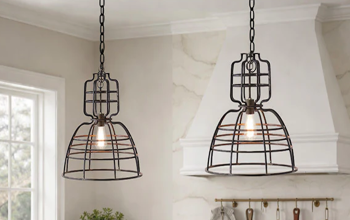
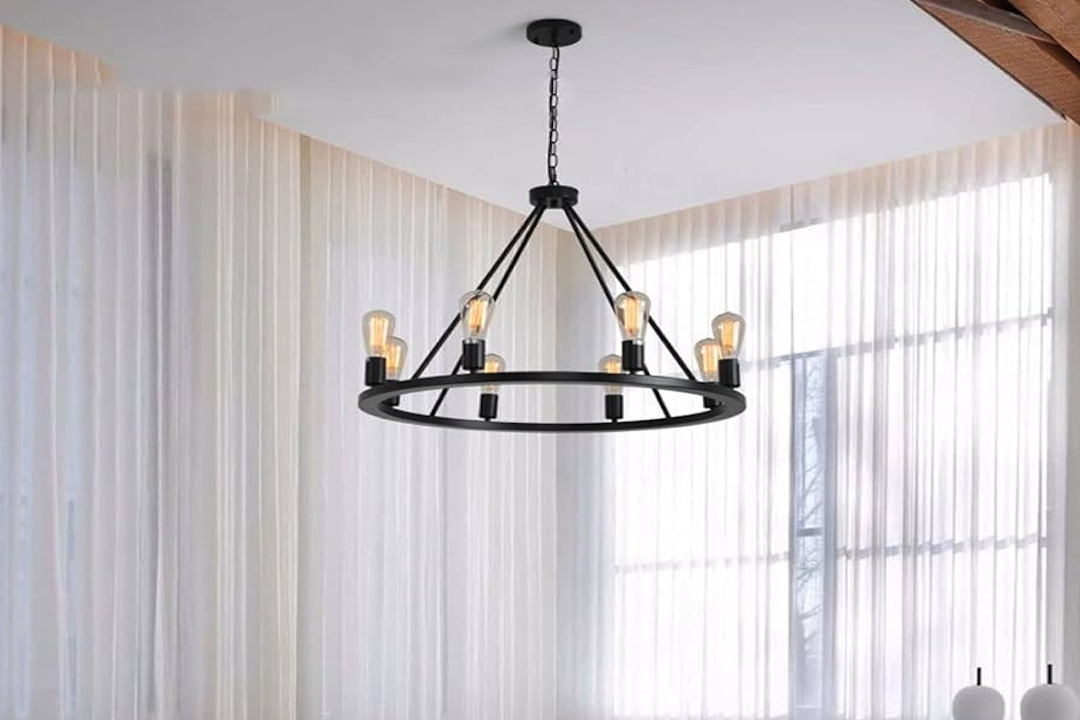
Shapes are typically geometric and uncluttered. Rectangular, circular, or linear arrangements are common, often incorporating elements like wagon wheels, open cages, or linear beams. The simplicity of the silhouette ensures that the chandelier acts as a grounding visual element without overwhelming the space. Intricate curves or highly decorative motifs are generally avoided.
Installation and Placement Considerations
Proper placement and installation are vital for maximizing the aesthetic and functional impact of a rustic farmhouse chandelier. Its size, scale, and light output must complement the room’s dimensions and intended purpose.
Sizing Guidelines
The size of the chandelier should be proportionate to the room. A common rule of thumb is to add the room’s length and width (in feet) and use that sum as the ideal diameter (in inches) for the chandelier. For example, a 12-foot by 15-foot room would suggest a chandelier approximately 27 inches in diameter.
Room Dimensions
For larger rooms, multiple smaller chandeliers or one substantial fixture might be appropriate. In open-concept spaces, a chandelier can define a specific zone, such as a dining area or seating arrangement. Ignoring the scale can result in a fixture that feels either lost or overpowering.
Ceiling Height
Ceiling height dictates how low the chandelier can hang. In a dining room, the bottom of the chandelier should be approximately 30-36 inches above the tabletop to prevent obstructing views while providing adequate light. In living rooms or entryways, it should allow for comfortable passage underneath, typically at least 7 feet above the floor. Adjustable chains or rods facilitate precise positioning.
Common Placement Areas
Rustic farmhouse chandeliers are versatile and can enhance various areas within a home.
Dining Rooms
The dining room is a primary location for these chandeliers. Positioned centrally over the dining table, it serves as a focal point and provides direct illumination for meals and gatherings. The warmth of the materials complements the communal aspect of dining.
Kitchens
In kitchens, particularly those with islands or large work surfaces, a rustic farmhouse chandelier can offer both task and ambient lighting. Linear designs are often suitable for islands, providing broad coverage. The robust nature of the materials stands up well to the practical demands of a kitchen environment.
Living Rooms and Great Rooms
In living rooms or great rooms, a chandelier can anchor a seating area or add a grand statement. Its scale should harmonize with other large furniture pieces. The style blends well with comfortable, lived-in aesthetics often found in these spaces.
Entryways and Foyers
For entryways, a rustic farmhouse chandelier creates an inviting first impression. Its presence can define the transition space and set the tone for the rest of the home. The height should be carefully considered to avoid being too low in a traffic area. It acts as a beacon, guiding visitors into the home.
Integrating with Interior Design Styles
While inherently designed for a rustic farmhouse aesthetic, these chandeliers are adaptable and can complement a range of interior design styles. They act as a bridge between foundational design elements and decorative accents.
Farmhouse and Traditional Farmhouse
This is the most natural pairing. The chandelier enhances existing farmhouse elements such as shiplap walls, distressed furniture, and antique decor. It reinforces the consistent theme of comfort, heritage, and simplicity. It becomes a cornerstone in rooms embracing elements like barn doors, wide plank flooring, and vintage textiles.
Industrial Style
The metal components, exposed elements, and sturdy construction of many rustic farmhouse chandeliers make them a strong match for industrial interiors. They can soften the harder edges of an industrial space while maintaining a sense of raw utility. Think of it as a dialogue between the factory floor and the agrarian homestead.
Shabby Chic and Vintage
The distressed finishes and use of reclaimed materials align well with shabby chic and vintage aesthetics. These chandeliers can complement painted furniture, floral patterns, and curated antique finds, adding a touch of authentic wear without being overtly precious. It’s about finding beauty in imperfection and the passage of time.
Transitional and Eclectic
In transitional spaces, which blend traditional and contemporary elements, a rustic farmhouse chandelier can introduce character without clashing. Its timeless design allows it to bridge different eras. In eclectic interiors, it can serve as a grounded element amidst a diverse collection of styles and objects, preventing a room from feeling disjointed. It acts as an anchor in a sea of varied influences.
Modern Rustic
Modern rustic style combines clean lines and contemporary forms with natural textures and materials. A rustic farmhouse chandelier, with its emphasis on material integrity and unadorned structure, can fit seamlessly into such a design, providing warmth against a backdrop of minimalist furnishings. It offers a touch of organic texture to a more refined setting.
Maintenance and Longevity
Like any well-crafted fixture, a rustic farmhouse chandelier requires basic maintenance to preserve its appearance and functionality over time. Its inherent durability means that simple care can ensure extended longevity.
Routine Cleaning
Dust accumulation is the most common issue. Regular dusting with a soft, dry cloth is usually sufficient. For more stubborn grime, a slightly damp cloth can be used on non-wood surfaces. Avoid harsh chemical cleaners, especially on distressed or natural finishes, as they can strip away protective layers or alter the appearance of the materials.
Bulb Replacement
Use the correct type and wattage of bulbs as specified by the manufacturer. LED bulbs are often recommended for their energy efficiency and longer lifespan, reducing the frequency of replacement. When replacing bulbs, ensure the power to the fixture is turned off at the circuit breaker to prevent electrical shock.
Material-Specific Care
Wood Components
For wooden elements, occasionally wiping with a wood-specific cleaner or polish can help maintain its luster and prevent drying. If the wood is unfinished, a light application of wood oil may be beneficial, though this is less common for fixtures with intentionally weathered finishes.
Metal Components
Metal finishes like oil-rubbed bronze or weathered black generally require minimal care beyond dusting. Polishing agents should be avoided unless specifically designed for that particular finish, as they can remove the intentional patination. Rust is typically not an issue with indoor fixtures, but if it appears (perhaps due to high humidity), specialized rust removers can be used cautiously.
Glass Shades
Glass shades can be removed and gently washed with mild soap and water, then thoroughly dried before reattaching. This ensures maximum light output and prevents the accumulation of residues from cooking or environmental pollutants.
By understanding these characteristics, placement considerations, integration possibilities, and maintenance practices, you can make an informed decision when selecting a rustic farmhouse style chandelier. It’s more than just a light source; it’s a statement about comfort, authenticity, and enduring design.