The Vintage Metal Cage Pendant Light, often referred to as a “retro charm” fixture, represents a distinct category within interior lighting. This article examines its design elements, historical context, materials, and applications. Understanding these aspects provides insight into the fixture’s enduring appeal and its role in various aesthetic movements.
The core of the Vintage Metal Cage Pendant Xlightings Light’s appeal lies in its straightforward and often industrial-inspired design. This is not a fixture designed for concealment, but rather one that openly displays its functional components.
Form and Structure
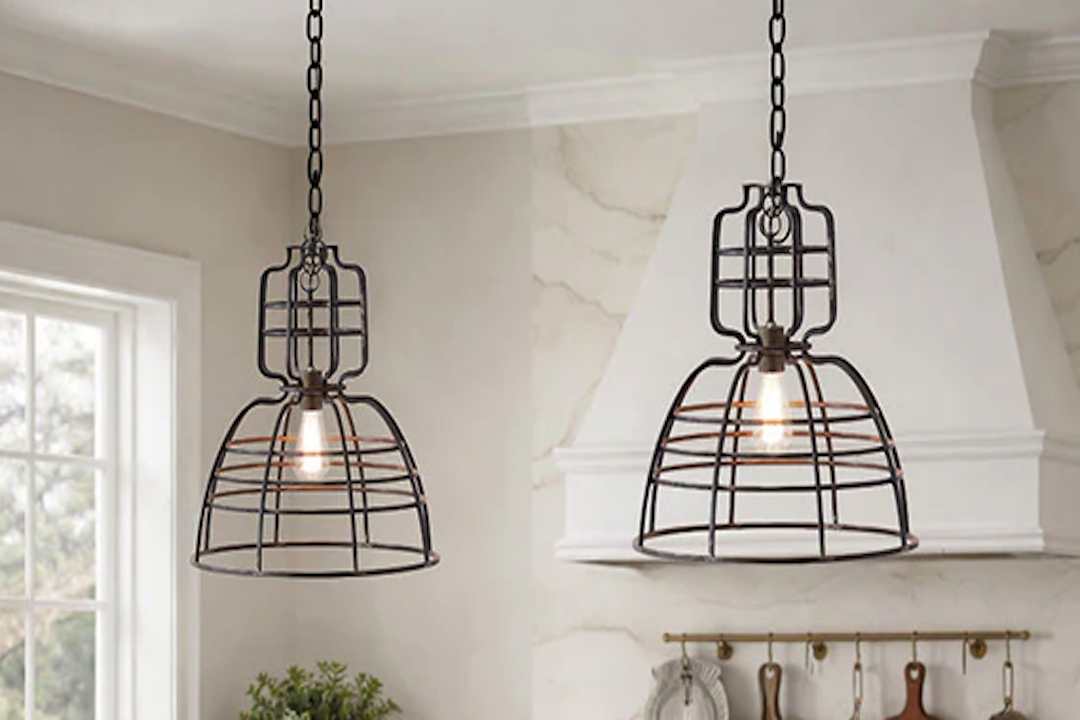
At its most fundamental, the fixture consists of a light source, typically an Edison bulb, encased within a metal cage. This cage serves as both a protective barrier and a significant aesthetic component. The cage’s geometry can vary widely, from simple cylindrical or spherical forms to more intricate, faceted designs. The open nature of the cage allows light to diffuse largely unimpeded, casting clear patterns and reflections, particularly with filament bulbs.
Exposed Elements
Unlike many contemporary lighting fixtures that aim to hide electrical components, the Vintage Metal Cage Pendant Light often embraces the exposure of these elements. The fabric-wrapped electrical cord, for instance, is frequently an integral part of the visual design, chosen for its color, texture, or twisted pattern. The bulb itself, particularly vintage-style filament bulbs, becomes a focal point, its warm glow and often intricate filament patterns contributing significantly to the fixture’s overall character. This overt display of functional components is a hallmark of industrial design.
Materiality and Finish
The material selection for the metal cage is crucial to its aesthetic. Common materials include steel, iron, and brass. The finish applied to these metals further refines the fixture’s appearance.
- Matte Black: A popular choice, matte black evokes a stark, industrial feel, often contrasting with the warmer tones of an Edison bulb. It provides a strong visual anchor in a space.
- Aged Bronze/Copper: These finishes contribute to the “vintage” aspect, suggesting wear and patina over time. They offer a softer, more traditional industrial aesthetic.
- Galvanized Steel: Indicative of utilitarian and outdoor applications, galvanized steel introduces a lighter, more raw industrial texture, often associated with workshop or factory environments.
- Brass/Polished Chrome: Less common but present, these finishes can elevate the fixture from purely industrial to a more refined, perhaps even steampunk, aesthetic. They introduce a reflective quality absent in matte finishes.
Historical Context and Influences
To understand the “retro charm” of these lights, one must consider the historical periods and design movements that inspired their creation. These fixtures are not historically accurate reproductions in every instance, but rather draw heavily from particular eras.
Early Industrial Lighting
The precursor to the modern Vintage Metal Cage Pendant Light can be found in the utilitarian lighting of the late 19th and early 20th centuries. Factories, workshops, and shipyards required durable, functional lighting fixtures that could withstand harsh environments. The metal cage served a practical purpose: protecting fragile incandescent bulbs from impacts and breakage. These early lights were designed for endurance and efficiency, not aesthetics, yet their robust simplicity has been reinterpreted as stylish in contemporary design.
Art Deco and Machine Age
While distinct from purely industrial fixtures, the Art Deco movement (1920s-1930s) also appreciated structured forms and the beauty of industrial materials. The “Machine Age” aesthetic, a subset of Art Deco, celebrated progress, mechanism, and the inherent beauty of mass-produced goods. While Art Deco fixtures often employed more ornate elements, the emphasis on strong geometric shapes and the use of metal as a primary material laid some groundwork for later appreciations of industrial aesthetics. The cage light, in its simplest form, resonates with the Machine Age’s appreciation for functional, unembellished components.
Mid-Century Modern Revival and Industrial Chic
The resurgence of interest in mid-century modern design in the late 20th and early 21st centuries played a significant role in popularizing the Vintage Metal Cage Pendant Light. This revival often embraced a complementary “industrial chic” aesthetic. Designers and homeowners began to appreciate the honesty of exposed materials, minimalist forms, and the narrative inherent in objects that once served a purely practical, often overlooked, purpose. The industrial cage light, with its straightforward design and robust appearance, became a symbol of this aesthetic, a counterpoint to more ornate or conventional lighting.
Materials and Craftsmanship
The durability and aesthetic qualities of Vintage Metal Cage Pendant Lights are intrinsically linked to the materials used in their construction. While seemingly simple, the choice and processing of these materials significantly impact the fixture’s lifespan and visual character.
Metal Cage Construction
The primary material for the cage is typically steel or iron. These metals offer strength and malleability, allowing for various cage designs. The construction can range from welded rods to stamped and formed sheets.
- Welded Rods: This method creates cages with visible weld points, contributing to an authentic, handcrafted industrial look. The rods are typically solid or hollow steel.
- Stamped Metal: Some cages are formed from sheet metal, providing a smoother finish and allowing for more intricate perforations or patterns, though these are less common in the most basic cage light designs.
- Wirework: Lighter gauge wire is sometimes used, particularly for more intricate or less robust designs, though these are more susceptible to bending.
Electrical Components
Beyond the metal cage, the electrical components are critical for both safety and functionality.
- Lampholder (Socket): Traditionally made from ceramic or bakelite for insulation and heat resistance. Modern versions may use plastic, but ceramic and brass retain the original “vintage” feel. Brass sockets, particularly with aged finishes, are highly prized for their aesthetic contribution.
- Wiring: Fabric-wrapped electrical cords are a common feature. These cords are not merely decorative but serve a practical purpose, often consisting of braided cotton or linen over modern insulated conductors. They resist fraying and add a touch of period authenticity.
- Ceiling Rose/Canopy: This component, which attaches to the ceiling and covers the electrical connections, is typically a simple metal disc, often matching the finish of the cage. Its design reinforces the minimalist aesthetic.
Durability and Maintenance
The robust nature of the metal cage contributes to the fixture’s durability. These lights are generally low-maintenance. Regular dusting with a dry cloth is usually sufficient. For aged or patinated finishes, the appearance is often intended to evolve over time, and aggressive cleaning can remove this desired effect. Polished brass or copper may require occasional polishing to maintain their luster, while matte finishes are largely care-free.
Applications and Placement
The versatility of the Vintage Metal Cage Pendant Light allows it to be integrated into a wide range of interior design schemes. Its particular aesthetic lends itself to specific environments and functions.
Residential Spaces
In homes, these lights can serve multiple purposes, providing both ambient and task lighting, while also acting as decorative elements.
- Kitchens: Above kitchen islands or dining tables, they provide focused light and introduce an industrial counterpoint to modern or traditional cabinetry. Multiple pendants can be hung in a row for broader illumination.
- Living Rooms: Used as accent lighting in corners, over side tables, or as a central fixture in smaller, more casual living areas. They can complement furniture with exposed metal or wood.
- Bedrooms: As bedside pendants, replacing traditional table lamps, freeing up nightstand space. Their often softer, diffused light (especially with lower wattage bulbs) can create a cozy atmosphere.
- Hallways and Entryways: A single pendant can define a transitional space, offering a welcoming glow.
Commercial and Hospitality Settings
The robust and visually striking nature of these fixtures makes them popular in commercial environments, where durability and a distinctive aesthetic are valued.
- Cafés and Restaurants: Contribute to an establishment’s atmosphere, often complementing exposed brick, reclaimed wood, or concrete finishes. Their industrial origin fits well with themes of craft, authenticity, and heritage.
- Retail Stores: Used to highlight merchandise or create a specific brand identity, especially in boutiques selling vintage goods, handcrafted items, or industrial-inspired products.
- Bars: Often found suspended above bar counters, providing task lighting for bartenders and contributing to a relaxed, often rustic or ‘speakeasy’ vibe.
Design Integration
When integrating Vintage Metal Cage Pendant Lights, consider their role as a visual element. They are not merely light sources but objects that communicate a particular aesthetic.
- As a Focal Point: A single, prominent pendant can draw the eye and anchor a space.
- In Multiples: Grouping several pendants of varying heights or identical forms can create a dramatic statement or provide more uniform illumination over a large area.
- Contrasting Elements: They can introduce a sense of ruggedness into an otherwise refined or minimalist interior, creating visual tension and interest. Conversely, they can blend seamlessly into an industrial or rustic decor.
The Role of the Edison Bulb
No discussion of the Vintage Metal Cage Pendant Light is complete without acknowledging the integral role of the Edison bulb. This bulb is not merely a light source; it is a fundamental aesthetic component that completes the “retro charm” narrative.
Filament as Art
Edison bulbs, characterized by their visible, often intricate, carbon filaments, produce a warm, amber glow. Unlike modern LED bulbs that aim for efficiency and maximum brightness, Edison bulbs prioritize aesthetic warmth and a nostalgic appearance. The exposed filament, sometimes arranged in spirals, cages, or hairpins, becomes a piece of functional art within the metal cage. This visual interplay between the structural cage and the glowing filament is what defines the fixture’s signature look.
Color Temperature and Ambiance
The color temperature of Edison bulbs (typically very warm, around 2200K-2700K) contributes significantly to the ambiance created by the pendant light. This soft, golden light evokes a sense of comfort, nostalgia, and intimacy, a stark contrast to the brighter, whiter light of many modern bulbs. This warm glow is particularly effective in creating inviting spaces in residential and hospitality settings.
Evolution to LED Filament
While traditional incandescent Edison bulbs are energy-intensive, the market has responded with LED filament equivalents. These LED versions mimic the appearance of traditional filaments but offer significantly improved energy efficiency and longevity. This allows designers and consumers to achieve the desired aesthetic without the environmental and cost drawbacks of incandescent technology. The transition to LED filament bulbs ensures the continued relevance and popular use of the Vintage Metal Cage Pendant Light.
The Vintage Metal Cage Pendant Light, therefore, is more than just a lighting fixture. It is a synthesis of historical utility, industrial aesthetics, and a deliberate embrace of visible components. Its enduring appeal lies in its ability to simultaneously evoke a sense of the past and integrate seamlessly into contemporary design narratives, providing both illumination and a distinctive visual character to any space it inhabits.