
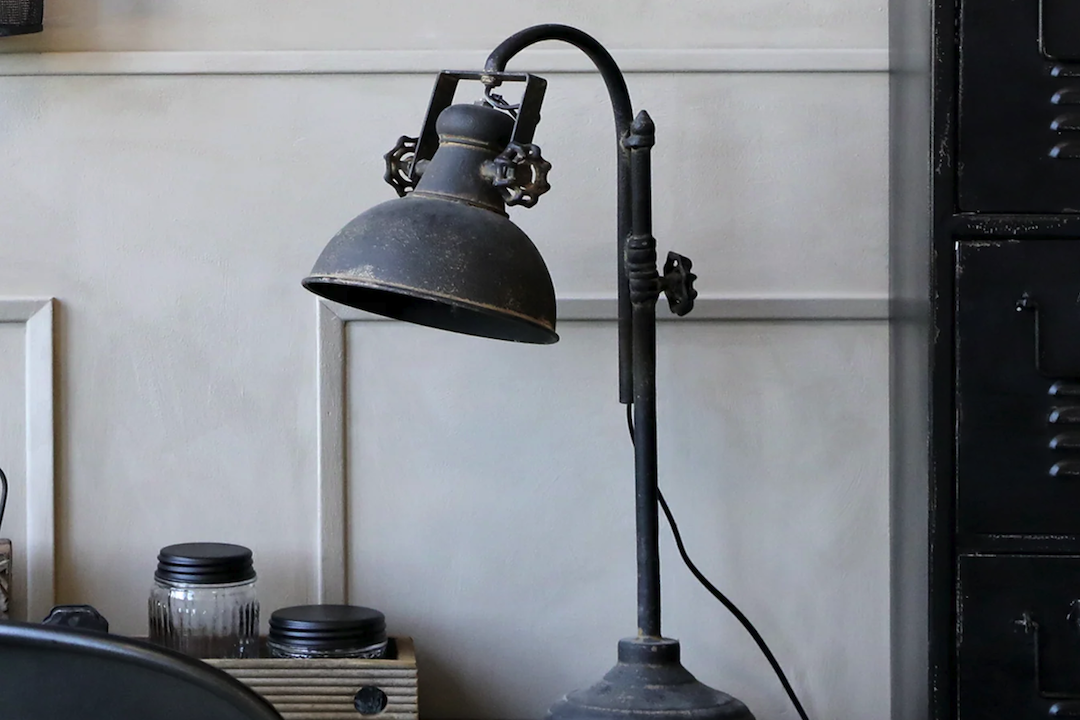
The vintage black metal dome desk lamp represents a design archetype that has endured through multiple eras of interior design and technological advancement. This article examines its historical context, design principles, functional attributes, and its continued relevance in contemporary workspaces. You will learn about its origins, the materials and craftsmanship that define it, and practical considerations for its acquisition and integration.
The progenitor of the modern desk lamp can be traced to the late 19th century, coinciding with widespread electrification. Early designs were often utilitarian, focusing solely on providing localized illumination. The black metal dome desk lamp, as we recognize it today, began to solidify its form in the early to mid-20th century.
Industrial Design Influences
The lamp’s characteristic domed shade and articulated arm system drew heavily from industrial design principles. Factories and workshops required robust, directed lighting Hotedecor that could withstand demanding environments. Designers adapted these functional requirements for domestic and office use. The emphasis was on durability and precise light control.
Post-War Production and Accessibility
Following World War II, mass production techniques made such lamps more accessible to a broader consumer base. Materials like steel and Bakelite became common, allowing for the widespread manufacture of these durable fixtures. The streamlined aesthetic, devoid of excessive ornamentation, resonated with the modernist sensibilities of the era.
Design Principles and Aesthetics
The enduring appeal of the vintage black metal dome desk lamp lies in its adherence to principles of functional design and its adaptable aesthetic. It speaks to a less-is-more philosophy, where every component serves a specific purpose.
The Domed Shade
The most defining feature is the domed shade. This shape is not arbitrary; it serves a crucial function in light direction. The parabolic or hemispherical interior reflects and concentrates light downwards, minimizing glare to the user and focusing illumination onto the work surface. This directed light is paramount for tasks requiring visual acuity.
Materiality of the Shade
Historically, these shades were often spun from sheet steel or aluminum. The black exterior finish was typically achieved through powder coating or enamel, offering a durable and often matte surface that further reduces unwanted reflections. The interior might have been painted white or a reflective metallic finish to maximize light output.
Articulated Arms and Adjustability
A hallmark of many vintage dome lamps is their articulation. Jointed arms, often employing spring-loaded mechanisms or tension knobs, allow for a wide range of vertical and horizontal adjustments. This flexibility is critical in a workspace, enabling you to position light precisely where it is needed, reducing shadows and eye strain.
Counterbalance Systems
Some designs feature sophisticated counterbalance systems, often utilizing internal springs or external weights, to maintain the desired arm position without sagging. This engineering detail speaks to the lamp’s quality and its ergonomic considerations.
The Base and Stability
The base of a vintage dome lamp is typically substantial. Whether circular, rectangular, or weighted, its primary role is to provide stability and prevent tipping, especially when the armed extended. The weight often derives from cast iron or lead integrated into a lighter enclosure.
Functional Attributes in a Workspace
Beyond its aesthetic appeal, the vintage black metal dome desk lamp excels in its primary function as a task light, offering practical advantages that enhance productivity and comfort.
Focused Illumination
Its core strength lies in delivering focused illumination. Unlike ambient lighting, which disperses light broadly, this lamp concentrates a beam directly onto your work surface. This is invaluable for reading, writing, drafting, or any detailed manual task. It creates a well-lit “bubble” within your workspace.
Reducing Eye Strain
By providing targeted light, the lamp helps to reduce eye strain. When the task area is adequately lit, your eyes do not have to work as hard to discern details, especially over prolonged periods. This localized brightness contrasts effectively with the surrounding ambient light without creating harsh glare.
Space Efficiency
Despite its robust construction, the lamp’s footprint often remains relatively compact. The articulated arm allows it to extend over your workspace without occupying valuable surface area directly beneath the light source. This makes it suitable for desks of various sizes.
Integration and Complementary Decor
Incorporating a vintage black metal dome desk lamp into a contemporary or traditional workspace requires an understanding of its stylistic versatility and how it interacts with other elements.
Aesthetic Versatility
The lamp’s clean lines and unadorned form allow it to integrate seamlessly into a wide array of interior styles. It can act as a striking accent in a minimalist setting, complement the industrial chic aesthetic, or provide a grounded, functional element in a more eclectic or traditional environment. Its understated presence ensures it enhances rather than dominates.
Pairing with Materials
Consider how the lamp’s black metal finish interacts with other materials in your workspace. It pairs well with natural wood desks, concrete surfaces, and even glass, offering a strong visual anchor. The contrast between the lamp’s solid form and lighter materials can create visual interest.
Ergonomics and Placement
When positioning the lamp, consider your workflow and habitual hand positions. Place the lamp on the opposite side of your dominant hand to minimize shadows cast by your hand or arm while working. Adjust the arm and shade height to eliminate glare on your screen or reading material.
Maintenance and Longevity
One of the virtues of vintage items is their inherent durability and reparability. The black metal dome desk lamp is no exception. With proper care, it can continue to function for many years.
Cleaning and Care
Cleaning is straightforward. A soft, damp cloth is typically sufficient to remove dust and light grime from the metal surfaces. Avoid abrasive cleaners that could damage the finish. For more stubborn marks, a mild soap solution can be used sparingly.
Bulb Replacement
Always ensure you use the correct bulb type and wattage specified for the lamp. Older lamps may have incandescent sockets. Consider using LED bulbs, which offer energy efficiency, cooler operation, and a longer lifespan, often without compromising the desired light quality. Some vintage lamps may require specialized bulb shapes.
Addressing Wear and Tear
Minor cosmetic wear, such as small scratches or patina, often adds to the character of a vintage piece. However, if electrical components show signs of damage (frayed cords, loose sockets), it is prudent to consult a qualified electrician for repair or replacement to ensure safety. The mechanical joints may benefit from occasional lubrication if they become stiff.
In conclusion, the vintage black metal dome desk lamp is more than just a lighting fixture; it is a testament to functional design, enduring quality, and adaptable aesthetics. Its origins in industrial utility paved the way for a design that is both practical and visually appealing. You, the user, benefit from its focused illumination, ergonomic adjustability, and inherent durability. When you choose to integrate this lamp into your workspace, you are investing in a piece of design history that continues to offer superior functionality without succumbing to fleeting trends. It remains a reliable and stylish companion for any task requiring clarity and precision.